
Oil pressure light is on: What it means and how to fix it
Learn what the oil pressure light means and what to do about it
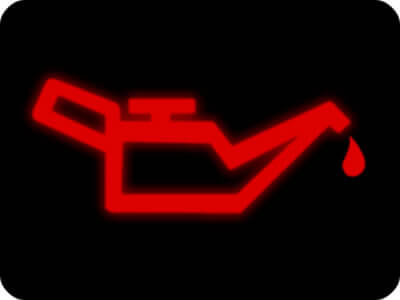 The oil light in your car serves as a vital indicator of the engine’s health. When this light illuminates on your dashboard, it signifies that the engine oil pressure has dropped below a safe level. This drop in oil pressure could be due to several reasons:
Low Oil Level: The most common reason for the oil light to come on is that the engine oil level is too low. This could be caused by oil leaks, consumption over time, or improper maintenance.
Oil Pump Issues: The oil pump is responsible for circulating oil through the engine to lubricate its moving parts. If the oil pump malfunctions or fails, it can lead to a drop in oil pressure and trigger the oil light.
Engine Wear or Damage: In some cases, the oil light might indicate significant engine wear or damage, such as worn-out bearings or other internal components.
What to do if your oil light is on while driving
Remain calm and pull over immediately. Continuing to drive with the oil light on can destroy your engine, costing upwards of $8,000 or more. Since a low oil level is the most common cause of an oil light warning, start by checking the oil level. Here’s how to handle the situation.
1. Safely Pull Over: The moment you notice the oil light, safely maneuver your car to the side of the road or a safe parking area. Avoid abrupt maneuvers that could further endanger yourself or other drivers.
2. Turn Off the Engine: Once parked safely, turn off the engine immediately. Continuing to run the engine with low oil pressure can cause severe damage, leading to costly repairs or even engine replacement.
3. Check Oil Level: After turning off the engine, allow a few minutes for the oil to settle in the oil pan. Locate the oil dipstick, usually marked with a brightly colored handle, and check the oil level. If the dipstick shows that the oil level is below the recommended mark, you’ll need to add oil. If you don’t know how to check the oil level, see this post.
4. Add Oil if Necessary: If you have engine oil with you (check your car’s manual for the correct type and viscosity), carefully add enough oil to bring it up to the recommended level. Be cautious not to overfill, as this can also cause problems.
5. Inspect for Leaks: While adding oil, take a moment to inspect under the car for any signs of oil leaks. Leaks can be a common cause of low oil levels and should be addressed promptly by a professional mechanic.
6. Restart the Engine: After adding oil and ensuring there are no visible leaks, restart the engine and observe the dashboard. If the oil light remains off and the engine sounds normal, you may proceed with caution to the nearest service station for further inspection.
What to do if the oil level is ok, but the oil light is on
If the oil level is good but the oil light is on, there are
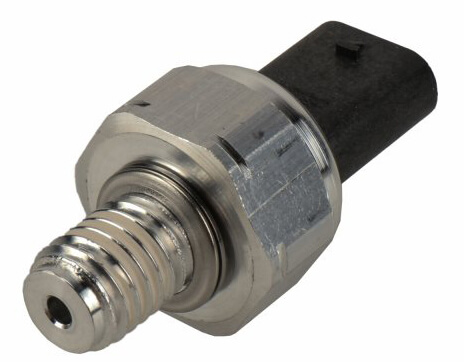
An oil pressure sensor screws into the block of the engine and connects to the ECM and the gauges.
only two possibilities: 1) The oil pressure sensor is bad, or 2) You have a serious problem with the engine lubrication system.
If you have the right tools, you can try swapping out the oil pressure sensor to see if that turns off the oil light. If you don’t have the tools, have your car towed to a shop. Driving with low oil pressure can cause serious damage to your engine.
What the shop will test
First the shop will test the actual oil pressure by bypassing the oil pressure sensor. If the pressure is within spec, they’ll replace the sensor. If it’s not within specification, they’ll have to test the oil pump and bearing clearances to see what’s causing the problem.
Preventive Measures for Maintaining Oil Health
To reduce the risk of the oil light coming on unexpectedly, follow these preventive maintenance tips:
Regular Oil Changes: Follow the manufacturer’s recommendations for oil change intervals and use the recommended type and viscosity of oil.
Monitor Oil Levels: Check your car’s oil level regularly, especially before long trips. Top up as needed to maintain optimal oil levels.
Address Oil Leaks Promptly: If you notice oil spots under your parked car or a persistent drop in oil levels, have a mechanic inspect and repair any leaks.
Engine Inspections: During routine maintenance, have your mechanic inspect the engine for signs of wear or damage that could affect oil pressure.
© 2012 Rick Muscoplat
Posted on by Rick Muscoplat