
P0118 Engine Coolant Temperature Sensor Fix Guide
Common Causes of a P0118 Trouble Code
Quick Summary
A P0118 code means the engine coolant temperature sensor is reporting a voltage that’s too high for the conditions, which the ECM interprets as an unrealistically cold engine. In most cases, a P0118 is caused by:
• Failed engine coolant temperature sensor,
• Damaged wiring
• Corroded connector
• Low coolant
• Sensor that has lost ground reference.
I’ll walk you through exactly what P0118 means, the most common causes, how I diagnose it professionally, and the steps I take to fix it correctly the first time.
What a P0118 Code Means
The P0118 trouble code is officially defined as Engine Coolant Temperature Sensor Circuit High Input. That means the ECM is
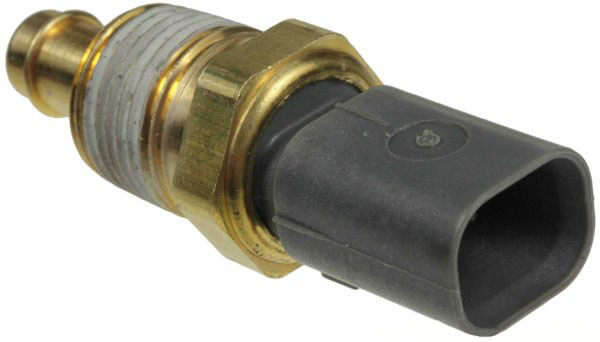
coolant temp sensor
receiving a voltage signal from the engine coolant temperature sensor that is outside the expected range.
A properly functioning engine coolant temperature sensor changes resistance as the coolant warms up. When resistance drops, voltage drops. If the ECM sees high voltage, it assumes infinite resistance, which typically corresponds to an engine temperature of −40°F—the default “sensor failed” temperature.
When the ECM thinks the engine is perpetually ice-cold, it commands excessively rich fuel mixtures, delayed ignition timing, and unnecessary operation of the cooling fan. That can cause:
• Hard starting
• Poor fuel economy
• Black exhaust smoke
• Coolant fans running constantly
• Rough idle
• Carbon buildup
• Long warm-up times
A P0118 may look simple, but it affects virtually every fuel and ignition strategy inside the ECM.
Most Common Causes of a P0118 Code
After diagnosing countless cooling-system electrical faults in my career, these are the problems I see most frequently behind a P0118:
1. Failed Engine Coolant Temperature Sensor (Most Common) — An aging engine coolant temperature sensor often develops internal open circuits. An open circuit creates infinite resistance, which causes the ECM to see maximum voltage and set P0118.
2. Unplugged, Damaged, or Corroded Sensor Connector — The connector sits near hot coolant passages and is exposed to heat cycling and moisture. Any interruption in the signal or ground will cause a high-voltage condition.
3. Wiring Harness Damage — Wiring can become brittle, melt on exhaust components, or chafe through against brackets. An open in the signal wire is one of the primary mechanical causes of P0118.
4. Low Coolant Level or Air in the System — If the sensor is not submerged in coolant, it may read inaccurately or drop signal entirely.
5. ECM Reference Voltage or Ground Problems (Rare) — A missing 5-volt reference or damaged ECM ground can mimic a sensor failure and trigger P0118.
How I Diagnose a P0118 Like a Professional
Whenever a vehicle comes into my shop with a P0118, I follow a specific step-by-step diagnostic process. Here’s how I do it:
1. Start With Live Data — I compare the engine coolant temperature sensor reading to ambient temperature. If the scan tool shows −40°F, the sensor or wiring is open.
2. Check Coolant Level — I make sure the cooling system is full and free of air pockets. If needed, I pressure-test the system to look for leaks.
3. Inspect the Sensor and Connector — I remove the connector and inspect for: Green or white corrosion, Bent pins, Loose terminal tension, Broken locking tabs, Coolant intrusion. A corroded connector is one of the most common causes of P0118.
4. Test the Engine Coolant Temperature Sensor — I remove the engine coolant temperature sensor and measure resistance using a multimeter. Then I compare the readings to the OE temperature-resistance chart.
If resistance is infinite at room temperature, the sensor is dead.
5. Check for Reference Voltage and Ground — At the connector, I verify: 5-volt reference, Solid ground, no voltage drop. If either side is missing, the wiring—not the sensor—is to blame.
6. Backprobe the Signal Wire — I gently wiggle the harness while watching live data. If the reading jumps, I know I have a wiring break inside the insulation.
7. Inspect Harness Routing — I look for: ,Melt points near the exhaust, Rodent damage, Harnesses rubbing on brackets, Stretched or pinched wiring
How I Fix a P0118 Trouble Code
Once I confirm the root cause, here’s how I fix a P0118:
• Replace the Engine Coolant Temperature Sensor
This is the most common repair and often solves the issue immediately.
• Repair or Replace Damaged Wiring
I cut out damaged sections and solder in new wire with heat-shrink, or replace the pigtail if needed.
• Clean or Replace Corroded Connectors
If terminal tension is poor, the connector must be replaced.
• Correct Low Coolant or Air in the System
I refill, bleed, and pressure-test to ensure the sensor stays submerged.
• ECM Repair (Very Rare)
Only once the sensor, wiring, and connectors test good do I consider ECM issues.
©, 2025 Rick Muscoplat
Posted on by Rick Muscoplat