
Why The Engine Coolant Temperature Sensor Sets a P0119
How I Diagnose a P0119 Using Professional Techniques
Quick Summary
A P0119 code means your engine coolant temperature sensor (ECT) is producing an erratic or intermittent signal. In most cases, the P0119 code is caused by:
• Failing engine coolant temperature sensor,
• Corroded connector,
• Damaged wiring harness,
• Low coolant level, or
• Poor thermostat operation.
Fixing a P0119 problem requires testing the coolant level, inspecting the wiring, checking sensor resistance, verifying the ECM reference voltage, and confirming the engine reaches proper operating temperature. Below, I’ll walk you step by step through exactly how I diagnose and fix a P0119 code in my own shop.
What the P0119 Code Means
The P0119 trouble code is officially defined as Engine Coolant Temperature Sensor (ECT) Circuit Intermittent/Erratic. A P0119 code always relates to coolant temperature feedback. That means the
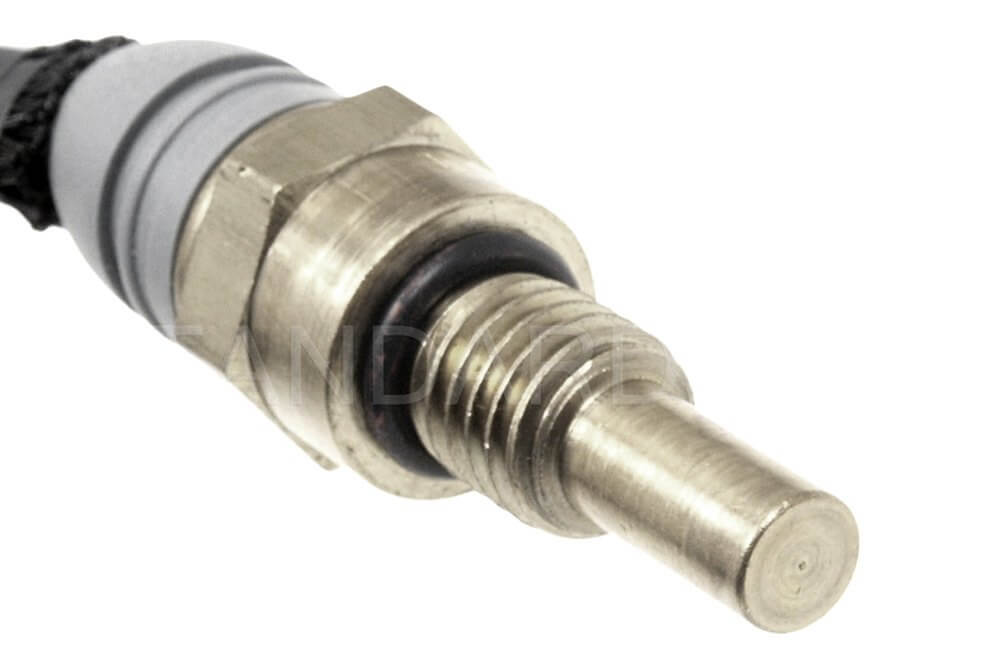
Engine Coolant temperature sensor
ECM doesn’t trust the information coming from the ECT, which it relies on for fuel mixture adjustments, ignition timing, radiator fan operation, and cold-start enrichment.
When the engine coolant temperature sensor sends data that jumps unexpectedly, drops out, or fluctuates beyond what the ECM considers normal, the computer sets P0119.
If you ignore the problem, the ECM may run the engine too rich, engage the cooling fans at the wrong time, cause hard starts, or even shorten catalytic converter life.
Most Common Causes of a P0119 Trouble Code
After diagnosing many vehicles with a P0119, these are the problems I see most often:
1. Failing Engine Coolant Temperature Sensor (Most Common) — The engine coolant temperature sensor is a thermistor that changes resistance with temperature. When it ages, the resistance becomes unstable, triggering P0119.
2. Coolant Level Too Low — If the sensor is not submerged in coolant, it sends erratic readings. A partially empty radiator is one of the most overlooked causes of P0119.
3. Damaged Wiring or Corroded Connectors — The sensor wiring runs close to hot engine components. Melted insulation, cracked connectors, or corroded terminals can all cause intermittent voltage changes.
4. Bad Thermostat — A sticking thermostat can cause wildly fluctuating temperatures that the ECM interprets as a sensor failure, triggering P0119.
5. Air Pockets After Coolant Service — Improper bleeding after a coolant flush can trap air around the engine coolant temperature sensor, causing false readings.
6. ECM Reference Voltage Problems (Rare) — The ECM typically supplies a 5-volt reference. If the ground or 5-volt supply is unstable, you may see P0119, though this is far less common.
Symptoms You’ll See With a P0119 Code
From my experience, a vehicle with a P0119 will often show one or more of these symptoms:
• The temperature gauge fluctuates or drops to zero
• You experience a long crank time on cold starts
• The radiator fans run constantly
• You notice you have poor fuel economy
• You see black exhaust smoke on startup
• Overheating or running too cool
• Check engine light illuminated
Anything that disrupts coolant temperature accuracy can cause these symptoms.
How I Diagnose a P0119 Trouble Code (Step-by-Step)
Here’s the exact process I use when a vehicle comes into my shop with a P0119:
1. Verify Coolant Level and Check for Leaks — The ECT sensor must be submerged. If the coolant is low, I top it up and pressure-test the system.
2. Check Live Data on a Scan Tool — I compare the ECT sensor readings to the actual cylinder head temperature using an infrared non-contact thermometer. A P0119 often shows sudden jumps, like going from 190°F to -40°F.
3. Inspect the Sensor Connector — I unplug the connector and look for: Green or white corrosion, Bent pins, Coolant intrusion, Loose terminal tension, a poor connection is a significant cause of P0119. Wiggle the ECT connector to duplicate the erratic signal.
4. Inspect Wiring — I gently tug the harness and look for: Melted insulation near the exhaust, Rodent-chewed wires, Broken insulation, Stretched wires from previous repairs.
5. Test Sensor Resistance — With the sensor removed, I check resistance against a temperature-resistance chart. If the engine coolant temperature sensor is far outside spec, it has failed.
6. Check the 5-Volt Reference and Ground — Using a multimeter, I verify: 5-volt reference present, Good ground, no voltage drop. If the voltage is missing or unstable, the problem may be upstream.
7. Confirm Thermostat Operation — I check for: Slow warm-up, Never reaches 195–205°F, Temperature swings on the highway, A stuck-open thermostat can absolutely mimic P0119.
How I Fix a P0119 Trouble Code
Once I identify the source of the P0119, here are the repairs I typically perform:
• Replace the engine coolant temperature sensor — This is the most common fix. The engine coolant temperature sensor is inexpensive and easy to replace.
• Repair wiring or connectors — I replace corroded terminals, repair damaged wiring, and ensure proper terminal tension.
• Correct low coolant condition — This includes repairing leaks and bleeding the cooling system.
• Replace a faulty thermostat — If the thermostat is stuck open or inconsistent, I replace it.
• Fix PCM voltage supply issues — Very rare, but sometimes needed on high-mileage vehicles.
• Clear the code and retest — Once repaired, I monitor live data and road-test the vehicle to confirm stability.
©, 2025 Rick Muscoplat
Posted on by Rick Muscoplat