
Removing Engine Carbon Deposits: What Works and What Doesn’t
Removing Engine Carbon Deposits: What Actually Works (and What’s a Waste of Money)
Quick Summary
Engine carbon deposits are a normal byproduct of combustion, but excessive buildup can rob power, hurt fuel economy, and cause drivability issues. The good news is that induction cleaning and the right chemical approach can remove many engine carbon deposits before they turn into expensive repairs. The key is to choose the correct cleaning method for your engine type and avoid outdated techniques that can damage catalytic converters or engines.
Article
Why Engine Carbon Deposits Form
When people hear “carbon,” they usually picture thick black sludge—but engine carbon deposits aren’t all the same. Carbon forms when fuel and oil vapors don’t burn completely during combustion. Over time, that residue adheres to hot surfaces such as intake valves, piston crowns, injector tips, and combustion chambers.
In port-fuel-injected engines, fuel flows across the intake valves, which helps wash deposits away. But on gasoline direct injection (GDI) engines, fuel is sprayed directly into the cylinder. That means the intake valves never see fuel, and carbon accumulates much faster. That’s why engine carbon deposits are such a common complaint on late-model vehicles.
Factors that contribute to carbon buildup
In my experience, carbon buildup usually isn’t caused by one single thing—it’s a combination of driving habits and maintenance shortcuts. Short trips are a big contributor. When an engine never reaches full operating temperature, moisture and fuel vapors don’t burn off properly, accelerating engine carbon deposits.
Oil quality and oil change intervals matter more than most people realize. Low-quality oil or extended oil changes allow heavier hydrocarbons to circulate through the intake via the PCV system, where they eventually bake onto hot surfaces. Poor fuel quality can also leave behind heavier residues that contribute to carbon formation.
Modern engines are efficient, but that efficiency comes with tighter tolerances and hotter combustion environments—ideal conditions for carbon formation if maintenance lapses.
• Engine design — small direct injection engines, like those made by Audi, VW, BMW, and Mercedes, are designed in a way that causes accelerated carbon buildup on the intake valves
• Short trips where the engine doesn’t reach optimal operating temperature.
• Poor fuel quality.
• Low-quality oil or infrequent oil changes.
• Inefficient combustion processes.
Symptoms of Excessive Engine Carbon Deposits
One reason carbon buildup is so frustrating is that its symptoms often appear gradually. Drivers usually notice sluggish acceleration first. Fuel economy drops next, even though no warning lights are on. Rough idle and cold-start misfires are common once engine carbon deposits interfere with airflow or injector spray patterns.
In severe cases, I’ll hear complaints about knocking or pinging under load. That’s carbon buildup raising compression or creating hot spots in the combustion chamber. Left alone, those deposits can damage pistons, valves, and catalytic converters.
What Actually Removes Engine Carbon Deposits
There are three legitimate ways to remove engine carbon deposits, and each one has its place.
Pour-in fuel additives can be effective—but only on carbureted and port-fuel-injected vehicles. High-quality cleaners can help remove deposits from injectors, combustion chambers, and intake valves. However, on GDI engines, fuel additives cannot clean intake valves because fuel never comes into contact with them. That’s one of the biggest misconceptions I see. Adding a pour-in-tank cleaner won’t help remove carbon on the intake valves in GDI engines and is a complete waste of money.
This is where induction cleaning comes into play. Professional induction cleaning introduces a strong chemical cleaner into the intake air stream, allowing it to contact and dissolve carbon on intake valves. When done correctly with the right product, induction cleaning can sometimes reduce drivability problems caused by carbon buildup.
For severe cases, walnut shell blasting is the gold standard. It physically removes hardened carbon from intake valves by blasting crushed walnut shells at the deposits. It’s extremely effective—but it’s also labor-intensive, expensive, and absolutely not a DIY job.
My Professional Approach to Induction Cleaning
When I perform induction cleaning, I’m very careful about how the cleaner is introduced. One thing I want to make crystal clear: never pour or suck engine cleaners through a vacuum hose. That advice is outdated and dangerous. I’ve seen catalytic converters destroyed and engines hydrolocked because of that shortcut.
Modern induction cleaning products are designed to be sprayed through the throttle body, with the aerosol straw positioned downstream of the MAF sensor elements. This allows the cleaner to atomize properly and distribute evenly.
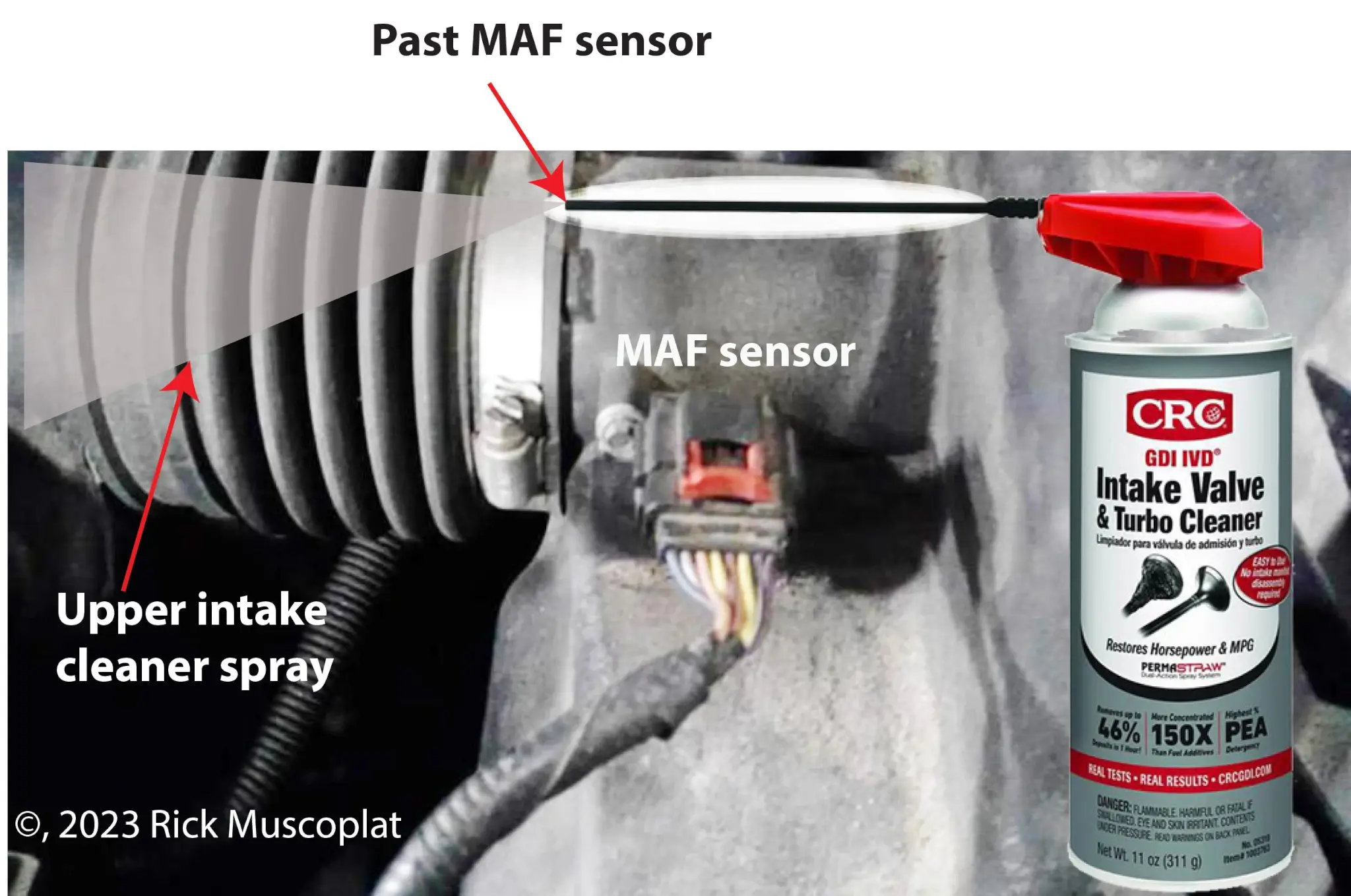
I typically use professional-grade cleaners like GM/ACDelco Upper Engine Cleaner or CRC Intake Valve Cleaner. The engine is warmed up, held at a slightly elevated idle, and the cleaner is applied gradually. After the soak period, the engine is restarted, producing heavy smoke as loosened carbon deposits burn off. That smoke may look alarming, but it’s normal.
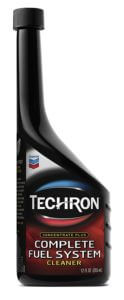
After induction cleaning, I always follow up with a high-quality fuel system cleaner containing P.E.A. to address injector and combustion chamber deposits.
When Walnut Shell Blasting Is the Right Choice
If a vehicle still exhibits cold-start misfires, a rough idle, or airflow issues after induction cleaning, walnut shell blasting becomes necessary. At this point, the engine carbon deposits are too thick or too hardened for chemicals alone.
This process requires removing the intake manifold and precisely blasting each intake valve while it’s closed. It’s incredibly effective, but it requires special equipment and experience. For high-mileage GDI engines, walnut blasting can restore performance to near-new levels—but it’s not cheap.
Using pour-in additives to clean fuel injectors
Pour-in cleaning additives are easy to use. They clean the fuel injectors, intake valves on port-injected engines, and the combustion chambers. They do not clean the intake valves on GDI engines. However, they may not be as effective for severe deposits. For heavy buildup, your engine may require regular use to achieve optimal results.
Purchase an engine-cleaning product that contains P.E.A. or P.I.B.A., then add it to your gas tank according to the dosing instructions on the bottle. See this post for more information on buying a pour-in cleaner. WARNING: More is not better. Do not exceed the concentration level listed on the bottle.
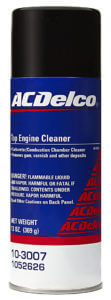
ACDelco 10-3007 Top Engine Cleaner
©, 2017 Rick Muscoplat
Posted on by Rick Muscoplat