
The Right Oil for Lawn Mowers Revealed
What’s the Best Oil for Lawn Mowers to Avoid Costly Repairs
After decades of working on small engines and helping homeowners keep their equipment running reliably, I can tell you that choosing the right oil for lawn mowers is one of the easiest ways to prevent costly breakdowns. It’s not just about pouring in any oil and hoping for the best. The type, viscosity, and whether it’s synthetic or conventional all directly affect how long your mower lasts—and how well it performs.
Let me walk you through what works, what doesn’t, and what I recommend based on hands-on experience.
The Most Commonly Recommended Oil for Lawn Mowers
Engine manufacturers like Briggs & Stratton, Honda, and 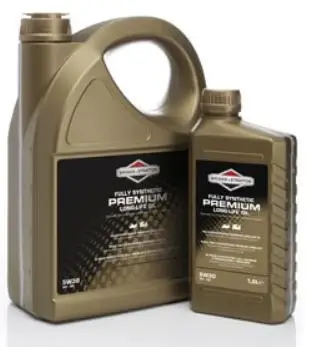 Kohler all agree on one thing: the most commonly recommended oil for lawn mowers is SAE 30 conventional oil.
SAE 30 Conventional Oil
Best for: Warm weather conditions (above 40°F)
Why it’s used: It provides a consistent viscosity, which is important for small engines that rely on splash lubrication.
Many manufacturers stick with SAE 30 because it’s stable, easy to find, and works well under most residential mowing conditions. But there’s a reason they often don’t recommend multi-viscosity oils like 10W-30 or 5W-30 for basic mowers.
Why Manufacturers Hesitate on Multi-Viscosity Oil
There are three primary reasons some manuals warn against multi-viscosity oil:
• You’re not mowing in winter – Cold-weather startup performance isn’t critical.
• Lawn mowers don’t have oil pumps – They use splash lubrication, so a thicker oil clings better to moving parts.
• Viscosity improvers can break down – Over time, additives in multi-viscosity oil shear down, potentially thinning out the oil.
That’s why many manufacturers still recommend a straight-weight oil, like SAE 30, especially during the engine’s early life.
Can You Use Synthetic Oil for Lawn Mowers?
Yes—and it’s what I use in most of the mowers I maintain. In the past, manufacturers were cautious about recommending synthetic oil for lawn mowers, mainly because:
• They feared owners would stretch oil change intervals too far.
• Synthetic oil during break-in periods could interfere with proper ring seating.
• The higher cost might be seen as a negative by value-conscious buyers.
But here’s the truth: once the engine is broken in, synthetic oil for lawn mowers is a far better choice—as long as you still follow conventional oil change intervals. Small engines don’t have oil filters, so synthetic or not, the oil gets contaminated with carbon, moisture, and acid over time.
Why Synthetic Oil Is Worth It
Here’s what synthetic 10W-30 brings to the table:
• Superior protection at high temperatures
• Better flow during cold starts
• Stronger resistance to sludge and oxidation
For most conditions, 10W-30 full synthetic oil is what I recommend as the best oil for lawn mowers—especially if you’re using a mower with an overhead valve (OHV) engine, or if you’re mowing large areas regularly.
How Often Should You Change Lawn Mower Oil?
Stick to this basic rule of thumb:
Every 25–50 hours
For most homeowners, that translates to one oil change per mowing season, or two if you’re mowing frequently. Always check your oil level before each use. Small engines are designed to burn a little oil, and running low just once can lead to catastrophic engine damage.
©, 2025 Rick Muscoplat
Posted on by Rick Muscoplat