
Toilet Keeps Refilling? Here’s the Real Cause
How to Diagnose a Toilet That Keeps Refilling
Quick Summary
If your toilet keeps refilling, water is leaking from the tank into the bowl, causing the fill valve to turn on periodically to restore the water level. In most cases, the cause is a worn flapper or mineral buildup on the flush valve seat. However, on older toilets with a brass flush valve, pitting on the seat can cause it to leak. In addition, a faulty or improperly adjusted fill valve can cause water to rise too high and flow into the overflow tube, or a cracked overflow tube can cause water to leak into the bowl. Lastly, a deteriorated seal at the base of the flush valve can cause water to leak into the bowl. The good news? A simple dye test can pinpoint the issue in minutes, and most fixes cost less than $20.
Why Your Toilet Keeps Refilling by Itself (And How to Fix It the Right Way)
Toilets don’t randomly add water for no reason. If the fill valve turns on by itself, it’s because water has escaped from the tank.
The tank is designed to hold a set amount of water. If that water level drops—even slightly—the fill valve opens to restore it. So when your toilet keeps refilling, it means water is slowly leaking somewhere it shouldn’t.
Let’s break down the parts responsible and how they fail.
The Flapper: The Most Common Cause
Inside the tank, the flapper seals the flush valve opening. When you press the handle, it lifts, allowing water to
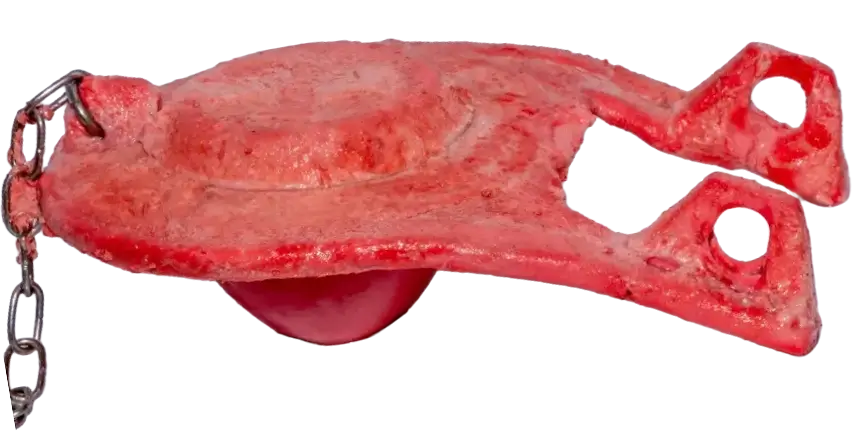
Worn and distorted flapper valve from contact with chlorine
rush into the bowl. When the tank empties, it drops back down to seal the opening.
If the flapper is worn, warped, stiff, or coated with mineral buildup, it won’t seal properly. Even a tiny gap allows water to seep into the bowl. As the tank level drops, the fill valve activates. That’s why your toilet keeps refilling every 15–30 minutes.
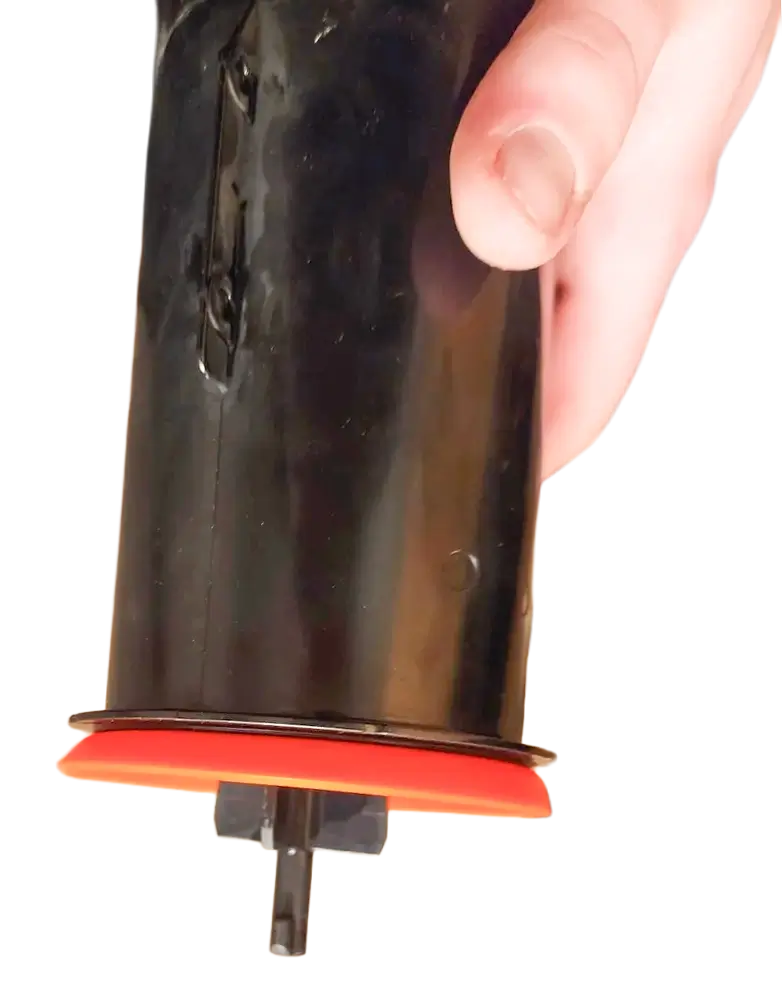
This warped O-ring seal on a Kohler canister-style flush valve will cause water to leak into the bowl. It should be perfectly flat.
Toilet bowl cleaners placed in the tank accelerate the deterioration of the rubber. Hard water,
which is common in many regions, leaves mineral deposits that prevent a tight seal.
If you’re diagnosing why your toilet keeps refilling, this is the first component to inspect.
The Flush Valve Seat: The Hidden Culprit
Even if the flapper looks fine, the surface it seals against may be damaged. The flush valve seat can become rough or pitted due to mineral buildup or corrosion.
A new flapper won’t seal properly against
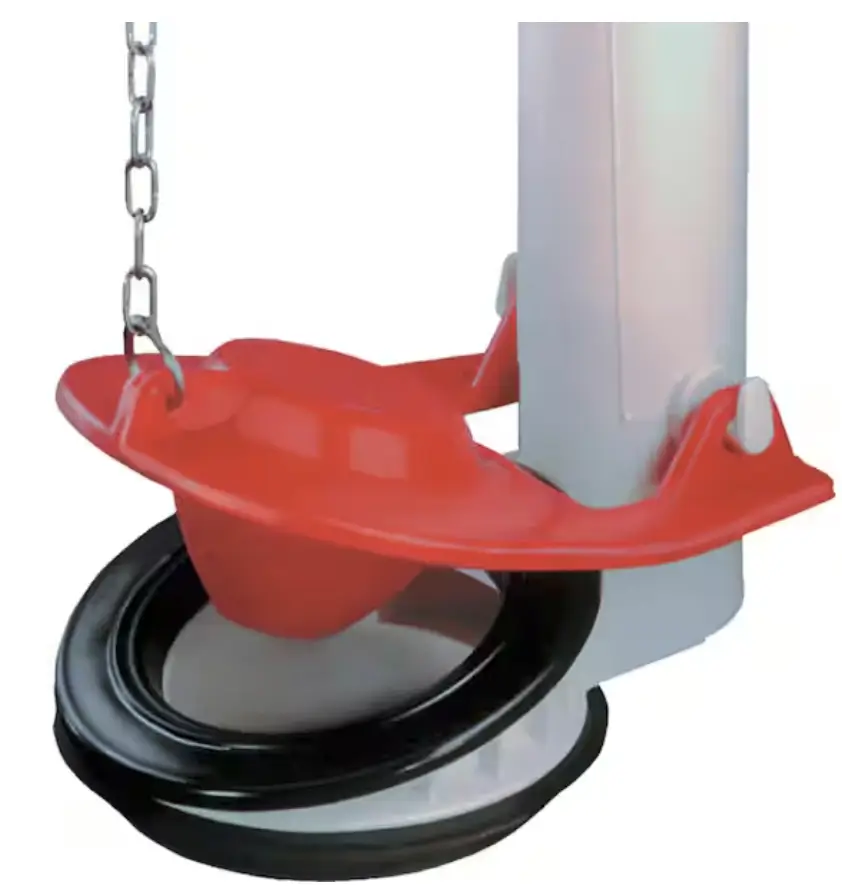
The black ring is the fix for a damaged flush valve. It glues onto the old seat, giving a fresh start to an old flush valve
a rough surface. If the toilet keeps refilling after replacing the flapper, inspect the seat. Draining the tank and gently cleaning the seat with a non-abrasive pad often solves the issue.
Severely damaged seats require replacing the flush valve assembly, which is still an affordable repair.
Replacing a damaged flush valve is a DIY project. You’ll have to shut off the supply valve and drain the tank. You’ll also have to remove the tank bolts to lift the tank off. After that, replacing the flush valve is pretty easy.
Or, you can buy a flush valve seat repair kit. The kit includes a smooth, adhesive surface that adheres to the existing seat.
Find a flush valve repair kit at any home center store, like Home Depot, for less than $10.
Lastly, the flush valve seal-to-tank can fail due to chlorine degradation. That causes water to seep under the seal, resulting in a constant leak-and-refill cycle. Here’s an example of a flush valve seal that caused constant refilling.
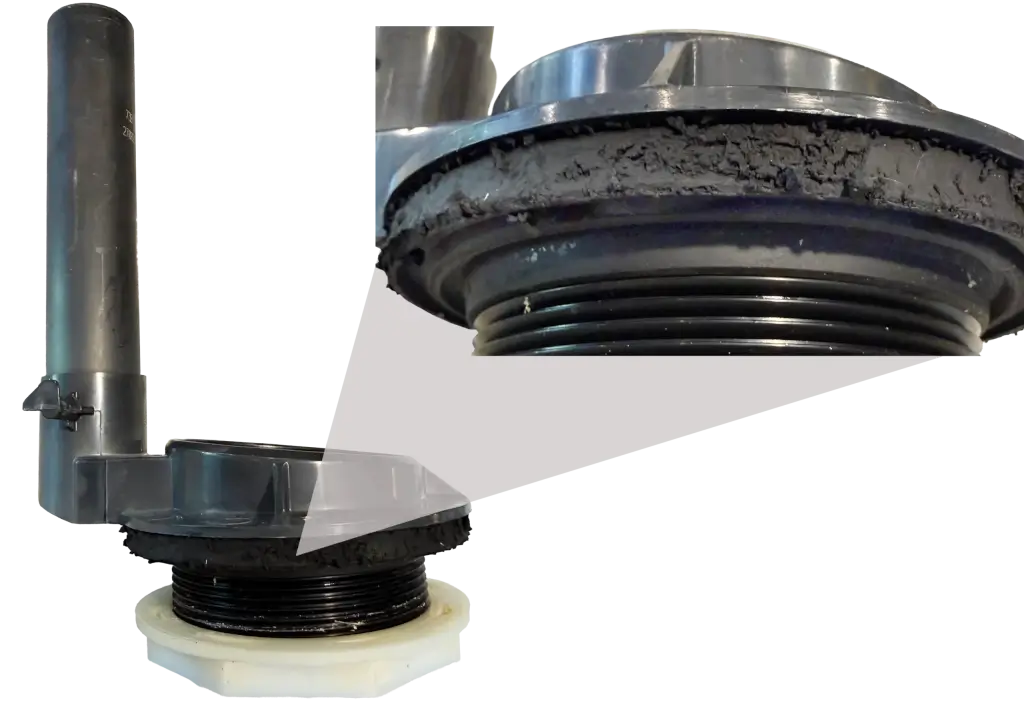
Chlorine-damaged flush valve seal
The Fill Valve: When Water Won’t Shut Off Properly
The fill valve controls incoming water. If it fails to shut off at the correct level, water can spill into the overflow tube.
When that happens, the tank continuously loses water into the bowl through the overflow. If your toilet keeps refilling and you see water flowing into the overflow tube, the fill valve is either misadjusted or failing.
Modern fill valves are inexpensive and easy to replace. In my experience, replacing rather than rebuilding is usually the smarter move.
The Overflow Tube: Silent Water Loss
The overflow tube prevents tank overfilling. If the water level is set too high, excess water runs directly into the bowl through this tube.
Sometimes the tube itself cracks, allowing water to leak. When the toilet keeps refilling, always check whether water is trickling into the overflow pipe. That’s a strong indicator that the problem is fill-valve related rather than flapper-related.
How to Diagnose Why a Toilet Keeps Refilling
I always recommend a dye test. It takes five minutes and eliminates guesswork. This simple test quickly identifies why your toilet keeps refilling.
1) Remove the tank lid.
2) Add 10–15 drops of food coloring to the tank.
3) Wait 20–30 minutes without flushing.
If colored water appears in the bowl, you have a leak at the flapper, flush valve seat, or seal. If water is visibly flowing into the overflow tube, adjust or replace the fill valve.
How to Repair the Problem
Replacing a Flapper — Turn off the water supply and flush the toilet to drain the tank. Remove the old flapper from the overflow tube pegs and disconnect the chain. Then install the new flapper, ensuring a slight slack in the chain. Restore water and test.
Cleaning the Flush Valve Seat — Drain the tank completely. Run your finger around the edge of the seat, checking for dents/divots. If you find any, replace the flush valve or purchase a glue-on repair kit. If you feel mineral buildup, try dissolving the buildup with vinegar or a product like CLR. NEVER try to sand off the mineral buildup.
Replacing a Fill Valve — Turn off the water and drain the tank using a wet/dry vacuum or a large sponge. Disconnect the supply line and remove the mounting nut under the tank. Install the new fill valve according to the manufacturer’s instructions, reconnect the supply line, and adjust the float height so the water stops about 1 inch below the overflow tube.
If the toilet keeps refilling, double-check the water level setting before assuming another component has failed.
Rebuild the Entire Tank
If you’re going to fix it, why not renew everything at once? These Fluidmaster kits contain everything you need.
For toilets with a 2″ flush valve buy the Fluidmaster All In One Repair Kit
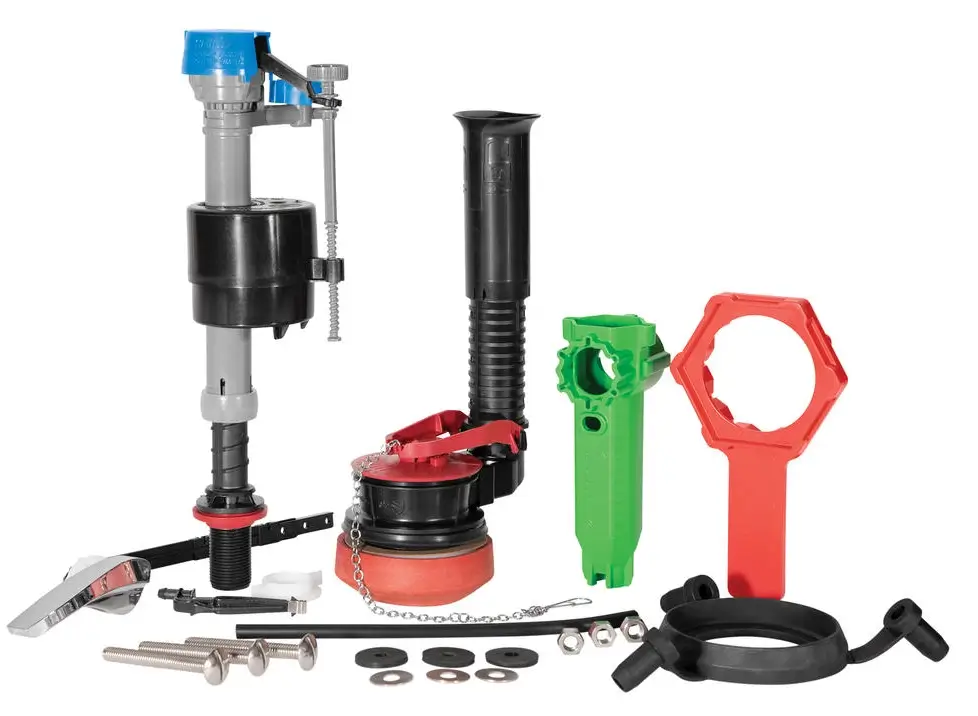
Fluidmaster all-in-one repair kit for 2″ flush valves
The kit includes a new fill-and-flush valve with an adjustable-height overflow tube, flapper, tank bolts, washers and nuts, tank-to-bowl gaskets, a flush handle, and the tools needed to remove the tank bolts and the flush valve spud nut.
Fluidmaster also makes a complete kit for toilets with a 3″ flush valve.
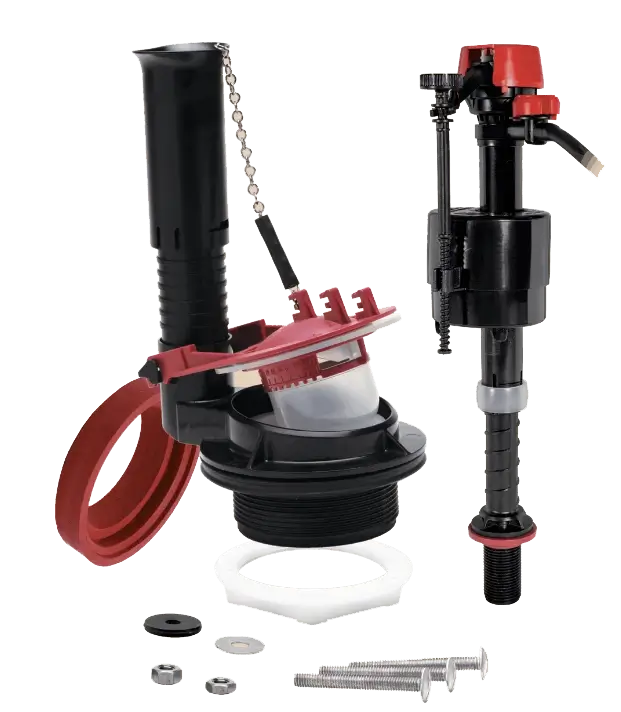
Fluidmaster PRO48K-051 Toilet Repair Kit for 3″ flush valves
The kit includes a new fill-and-flush valve with an adjustable-height overflow tube, tank bolts, washers and nuts, tank-to-bowl gasket, and a wrench to remove the flush valve spud nut.
Final Thoughts From a Pro
When a toilet keeps refilling, it’s rarely a major repair. In most cases, it’s a $10 flapper and 15 minutes of work. The key is to diagnose correctly before blindly replacing parts.
Start with the dye test. Inspect the flapper. Check the overflow. Verify the fill valve shuts off properly. Follow that sequence, and you’ll solve the problem efficiently.
Toilets are simple mechanical systems. When you understand how the components interact, diagnosing why a toilet keeps refilling becomes straightforward and inexpensive to fix.
Posted on by Rick Muscoplat