
Top Causes of a Rough Idle and How to Fix Them
What Causes a Rough Idle?
Quick Summary
If you’re searching for the causes of a rough idle, you’re not alone. A rough idle can be caused by something as simple as a dirty throttle body or as serious as a head gasket leak. In my experience diagnosing thousands of drivability complaints, the most common culprits include:
• Vacuum leaks
• Worn spark plugs
• Clogged fuel injectors
• Carbon buildup on the intake valves and carbon buildup in the throttle body
• Faulty sensors
• Ignition system problems
• Low fuel pressure
• A failing crank angle sensor.
Let’s look at the most common causes of a rough idle.
1. Vacuum Leaks Are the Number One Cause of a Rough Idle — If I had to pick the single most common cause, it would be a vacuum leak. When extra air enters the engine without being measured by the computer, the air-fuel mixture becomes too lean. Many vehicles develop vacuum leaks as rubber components age and harden.
This often causes:
• Engine rough idle, especially when stopped
• Engine stalling
• High idle speed
• Rough idle, no check engine light
Common vacuum leak locations include:
• Cracked or broken vacuum hoses
• Torn air intake duct between the air filter box and the throttle body
• Cracked or broken PCV hoses
• Intake manifold gaskets
• Brake booster hoses
2. Carbon Buildup in the Throttle Body — One of the first things I inspect during a rough idle diagnosis is the throttle body. Over time, carbon deposits build up around the throttle plate. The engine computer calculates a specific throttle opening at idle. When carbon restricts airflow, the computer struggles to maintain a stable idle speed. Cleaning the throttle body often restores smooth operation.
Symptoms include:
• Rough idle after startup
• Rough idle when warm
• Stalling at stop signs
• Surging idle speed
3. A Dirty Mass Airflow Sensor (MAF) — The mass airflow sensor tells the computer exactly how much air is entering the engine. When dirt, oil vapor, or filter
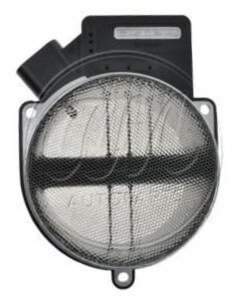
Mass Airflow Sensor
debris contaminates the sensing element, airflow readings become inaccurate. Fortunately, many MAF sensors can be cleaned using a dedicated MAF sensor cleaner. For more information on cleaning your MAF sensor, read this post.
This can cause:
• The engine idles rough, but drives fine
• Hesitation during acceleration
• Loss of power
• Poor fuel economy
4. Dirty or Restricted Fuel Injectors — Fuel injectors deliver precise amounts of fuel into the engine. As deposits accumulate, fuel delivery becomes uneven. I’ve seen many rough-idle complaints disappear after a quality fuel-system cleaning treatment. At idle, even slight fuel delivery differences can create:
• Rough idle and shaking engine
• Engine runs rough at idle only
• Hard starting
• Misfires
5. Carbon Buildup on Direct Injection Engines — Gasoline direct injection (GDI) engines have created an entirely new rough idle problem.
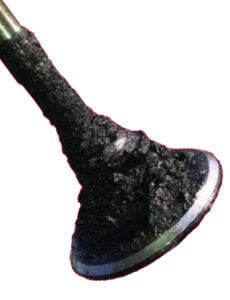
Buildup on the back face of an intake valve
Unlike traditional fuel injection systems, fuel never washes the backside of the intake valves. Over time, carbon accumulates on the valves and disrupts airflow. Walnut shell blasting or professional air induction cleaning is often required.
Symptoms often include:
• Rough idle when cold
• Rough idle after startup
• Random misfires
• Reduced performance
6. Worn Spark Plugs, Ignition Coils, or Plug Wires — Ignition problems are another leading cause of rough idle. When spark plugs wear out or ignition coils weaken, combustion becomes inconsistent. I’ve diagnosed countless vehicles where a simple spark plug replacement completely solved the problem.
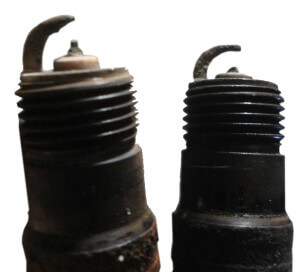
Worn spark plug
The result is:
• Rough idle and shaking engine
• Misfire codes
• Rough idle and loss of power
• Increased fuel consumption
Rough Idle After Spark Plug Replacement
Believe it or not, installing new plugs can actually create a rough idle if:
• The wrong plugs were installed
• Plug gaps are incorrect
• A coil connector wasn’t fully seated
• A vacuum hose was accidentally disconnected
Always double-check your work after tune-up repairs.
7. A Stuck Open EGR Valve — The exhaust gas recirculation valve should remain closed at idle. When carbon buildup
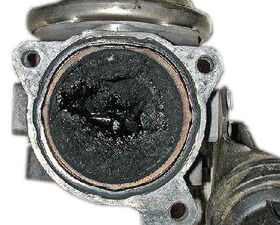
This is what a carboned EGR valve looks like
prevents the EGR valve from closing completely, exhaust gas enters the intake at the wrong time. Cleaning or replacing the EGR valve often resolves the issue.
This creates:
• Rough idle at a stoplight
• Stalling
• Poor acceleration
• Hesitation
8. Low Fuel Pressure — Many drivers overlook fuel pressure issues because the engine still starts and runs. However, insufficient fuel pressure can dramatically affect idle quality.
Possible causes include:
• Weak fuel pump
• Restricted fuel filter
• Faulty fuel pressure regulator
Symptoms include:
• Rough idle and loss of power
• Hard starting
• Lean fuel trim readings
• Engine hesitation
9. Faulty Engine Sensors — Modern engines rely heavily on sensor data. When sensors provide inaccurate information, fuel delivery and ignition timing suffer.
Common sensor failures include:
• Engine coolant temperature sensor
• Intake air temperature sensor
• MAP sensor
• Mass airflow sensor
These failures frequently cause:
• Rough idle when cold
• Rough idle when warm
• Poor fuel economy
• Hard starting
10. A Failing Crank Angle Sensor — One rough idle cause many DIYers overlook is the crank angle sensor. The crank angle sensor tells the engine computer exactly where the crankshaft is positioned. If the signal becomes erratic, ignition timing and fuel injector timing become unstable. In severe cases, the engine may suddenly stall and refuse to restart
Symptoms often include:
• Rough idle after startup
• Engine runs rough at idle only
• Intermittent stalling
• Random misfire codes
• Long cranking before starting
11. PCV Valve Problems — The positive crankcase ventilation system regulates airflow from the crankcase. A clogged or stuck PCV valve can alter the air-fuel mixture enough to create a rough idle. Fortunately, PCV valves are usually inexpensive and easy to replace.
Look for:
• Whistling noises
• Oil leaks
• Rough idle when warm
• Increased oil consumption
12. Internal Engine Problems — Although less common, internal engine damage can create persistent rough idle conditions. Coolant loss
• Excessive exhaust smoke
Compression and leak-down testing can help pinpoint these issues.
Potential causes include:
• Head gasket leaks
• Burned valves
• Low compression
• Timing chain wear
• Camshaft damage
These problems often produce:
• Rough idle and shaking engine
• Rough idle and loss of power
My Recommended Rough Idle Diagnostic Strategy
Whenever I diagnose a rough idle, I follow this order:
• Check for diagnostic trouble codes.
• Inspect vacuum hoses.
• Examine the throttle body.
• Check fuel trims with a scan tool.
• Inspect spark plugs and ignition coils.
• Test fuel pressure.
• Verify sensor readings.
• Perform compression testing if necessary.
Following this process eliminates guesswork and identifies the root cause quickly.
Final Thoughts
When someone asks me, “Why does my car idle rough?”, I always start with the basics: vacuum leaks, throttle body deposits, ignition problems, and fuel delivery issues.
The good news is that many of the most common causes of a rough idle are relatively inexpensive to repair when caught early. Ignoring the symptoms, however, can lead to poor fuel economy, reduced performance, and costly engine damage.
If your vehicle has a rough idle, don’t wait. A proper diagnosis today can prevent a much bigger repair bill tomorrow.
©, 2018 Rick Muscoplat
Posted on by Rick Muscoplat