
What Causes Battery Terminal Corrosion and How to Prevent It
Preventing Battery Terminal Corrosion: Tips and Tricks
When it comes to maintaining your car battery, I can tell you from experience that battery terminal corrosion is a problem you simply can’t afford to ignore. If left unchecked, it leads to poor electrical connections, starting issues, and even total battery failure. Let me explain what causes this issue and how you can handle it like a pro.
Battery terminal corrosion appears as a white or blue powdery substance. The white powder is lead sulfate and the bluish powder is copper sulfate. You’ll see copper sulfate formation most often if the battery terminal material contains copper.
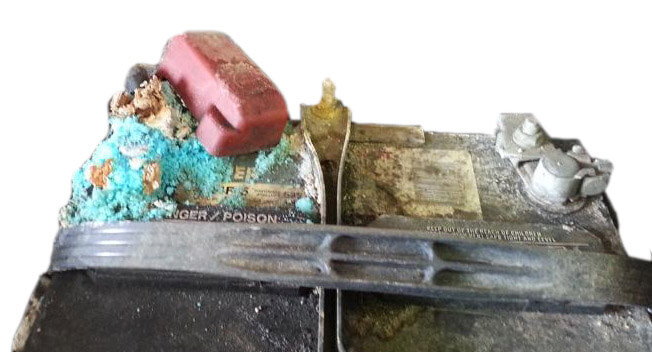
Battery terminal corrosion
What is Battery Terminal Corrosion?
You’ll recognize battery terminal corrosion as a white, blue, or green powdery buildup around the battery terminals—the very points where the cables connect to your battery. That crusty substance is often a mix of sulfuric acid, lead sulfate, and copper sulfate, formed by chemical reactions between your battery’s materials and the environment. If your terminals are made of copper, that bluish powder you see is copper sulfate.
Causes of Battery Terminal Corrosion
Understanding what triggers this corrosion is key to preventing it. Let me break it down for you:
Several factors can lead to battery terminal corrosion. Here are the most common causes:
1) Electrolyte (Battery Acid) Leakage
One of the primary causes of battery terminal corrosion is the leakage of electrolyte from the battery. Car batteries contain a mixture of sulfuric acid and water, known as the electrolyte. However, if the battery case is leaking between the posts and the plastic case, the electrolyte can leak out. When the battery acid comes in contact with the metal terminals, it reacts with the copper in the terminals to form blue/green copper sulfate. An undercharged battery, on the other hand causes white lead sulfate power.
Electrolyte leakage can also occur due to overcharging, which causes the electrolyte to expand and potentially escape through the vent caps. Once the electrolyte reaches the battery terminals, it can lead to rapid corrosion. This is rare for newer batteries since they are maintenance-free and don’t have vent caps.
2. Chemical Reactions at the Terminals
Another significant cause of corrosion is the chemical reaction between the battery terminals and the hydrogen gas released during the battery’s charging process. As the battery charges, it produces hydrogen gas, which can escape through the vents and contact the metal terminals. When hydrogen gas combines with the sulfuric acid and moisture in the air, it forms a sulfuric acid vapor, reacting with the lead terminals. This reaction results in the formation of lead sulfate, a common cause of battery terminal corrosion.
3. Environmental Factors
Environmental conditions can also contribute to battery terminal corrosion. Humidity, temperature fluctuations, and exposure to road salt (especially in colder climates) can accelerate the corrosion process. In humid environments, moisture can mix with the electrolyte, leading to increased formation of corrosive compounds. Similarly, temperature fluctuations can cause the electrolyte to expand and contract, increasing the likelihood of leaks. Road salt, commonly used in winter to melt ice, can also come into contact with the battery terminals, leading to accelerated corrosion due to the salt’s ability to increase the conductivity of water and promote oxidation.
4. Type of Battery
The type of battery in your vehicle can also influence the likelihood of terminal corrosion. Lead-acid batteries, which are the most common type of car battery, are more prone to corrosion than sealed or maintenance-free batteries. Sealed batteries are designed to minimize the release of gases and the risk of electrolyte leakage, reducing the chances of terminal corrosion.
How the battery corrosion happens
When your battery sits in a discharged state, white powder forms on the negative battery terminal
The white powder is lead sulfate. Sulfate crystals form on the lead plates in the battery. When the battery sits in a discharged state long enough, the lead sulfate starts to cover the top of the plates and eventually creeps up to the battery post through a gap between the case and the post.
How lead sulfate forms
It forms when you combine lead, sulfuric acid, and water: Lead (Pb) + Sulfuric Acid (H2SO4) + Water (H2O) = Lead Sulfate (PbSO4). If your battery terminals are made with aluminum, the powdery substance can also contain aluminum sulfate.
Blue powder on car battery terminals is copper sulfate
It’s formed when you combine copper, sulfuric acid, and water with electrical flow
Copper (Cu)+ sulfuric acid (H2SO4) + Water (H2O) + electrical flow = Copper Sulfate (CuSO4) & Sulfur dioxide (SO2)
Is powder on your car battery terminals bad?
You bet it is! Copper sulfate and lead sulfate are electrical insulators, so they increase electrical resistance between the battery terminal and battery post, and that increased resistance prevents the alternator from fully charging your battery and also reduces electrical flow to the starter motor. It can also lead to transient current flow (battery drain) even when your engine isn’t running.
Consequences of Battery Terminal Corrosion
Battery terminal corrosion can have several negative effects on your vehicle’s performance:
1) Poor Electrical Connections: Corrosion acts as an insulator, reducing the effectiveness of the connection between the battery terminals and the cables. This can lead to difficulty starting the vehicle, dimming headlights, and other electrical issues.
2) Reduced Battery Life: Corrosion can cause the battery to work harder to deliver power, leading to increased wear and tear on the battery and a shorter lifespan.
3) Damage to Electrical Components: In severe cases, the increased resistance caused by corrosion can lead to overheating of the electrical connections, potentially damaging the battery cables and other electrical components.
4) Complete Battery Failure: If the corrosion is left untreated, it can eventually lead to the complete failure of the battery, leaving you stranded with a vehicle that won’t start.
How to Prevent and Address Battery Terminal Corrosion
Preventing battery terminal corrosion is key to ensuring your battery’s longevity and reliable performance. Here are some steps you can take:
• Regular Inspections— Check your battery terminals regularly for signs of corrosion. If you notice any buildup, clean the terminals promptly using a mixture of baking soda and water, which neutralizes the acid. Scrub the terminals with a wire brush, rinse with water, and dry thoroughly before reconnecting the cables.
• Apply a Protective Coating— After cleaning the terminals, apply a thin layer of petroleum jelly or a specialized battery terminal protectant to help prevent future corrosion. These coatings create a barrier between the metal terminals and the environment, reducing the likelihood of corrosion.
• Secure the Battery Terminals— Ensure that the battery terminals are securely fastened to prevent vibration and movement. Loose terminals can lead to electrolyte leakage and increased corrosion.
• Avoid Overcharging— Overcharging your battery can cause the electrolyte to expand and leak, leading to corrosion. Use a quality battery charger with an automatic shut-off feature to prevent overcharging.
If you clean your battery terminals and posts using the cleaning method shown here and the corrosion returns quickly, that indicates you’ve got a leaking battery. If the battery is under warranty, return it and get a new battery.
There is no way to fix the leaks because the lead posts and plastic case have different expansion-contraction rates.
©, 2020 Rick Muscoplat
Posted on by Rick Muscoplat