
Why you should never use copper anti seize on brakes
Why Copper Anti Seize is Not Recommended for Brakes
Several YouTubers show copper anti-seize being used to lubricate caliper slide pins. They’re dead wrong in 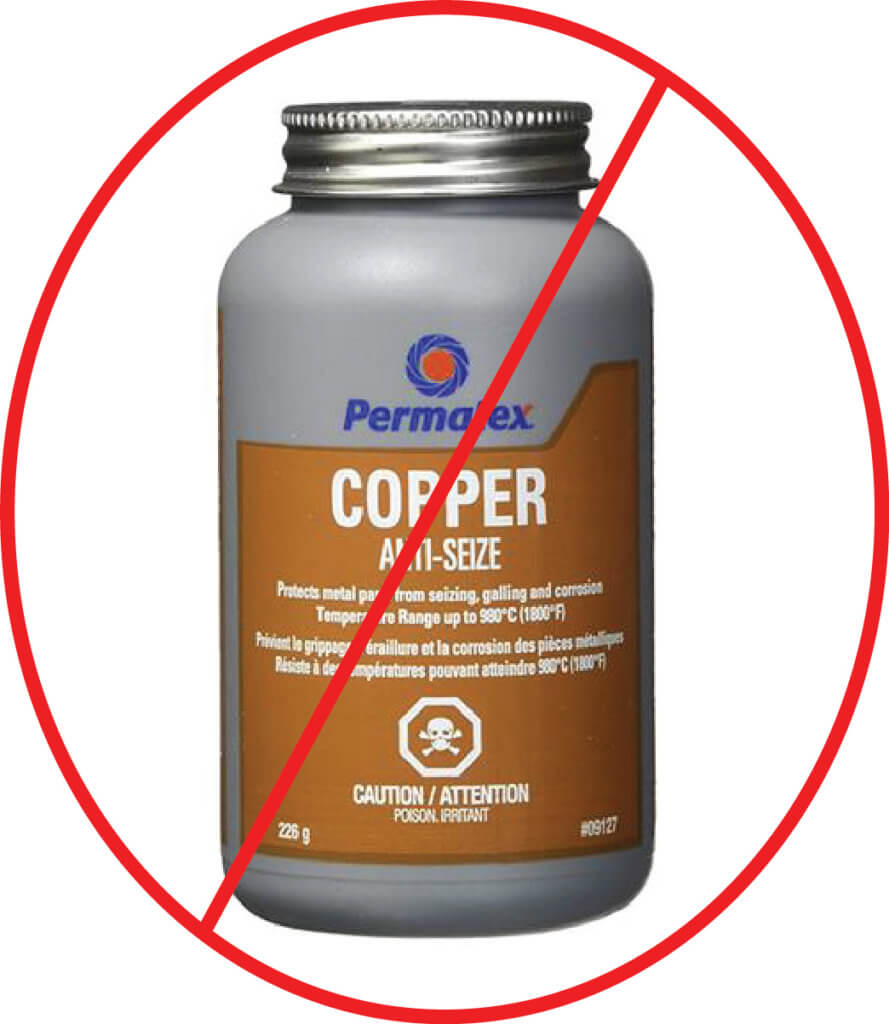 recommending anti-seize for brakes. In fact, using anti-seize grease on your brakes can actually cause the problems you’re trying to avoid.
Here’s why anti-seize grease is the wrong product to use on your brakes:
• Anti-seize is not a lubricant and should never be used to lubricate sliding/rotating parts.
• It’s petroleum-based, so it degrades and swells the caliper pin rubber boots, caliper pin rubber leaves, and the caliper piston dust seal.
• Because of its high metal solids content, copper, aluminum, and nickel anti-seize products conduct electricity and promote galvanic action, metal transfer, and corrosion. That’s the last thing you want in a brake lubricant.
• Once the petroleum-based lubricant cooks off, the leftover high-solids content can cause caliper slide pins to seize, which is the exact opposite of what you want in brake grease.
Copper anti seize can ONLY be used for metal-to-metal contact areas and even then, it’s not the best choice for brakes.
• For caliper slide pins, use a high-temperature synthetic brake grease like the ones shown below.
• For use under the anti rattle clips and on the anti rattle clips, use a high temperature synthetic silicone brake grease. You want a dielectric grease so it won’t promote galvanic action like copper anti seize does.
• For use on the face of the caliper piston, use a high-temperature synthetic brake grease like the ones listed below
• For use on the noise reduction shims where they contact the outboard caliper fingers, use a moly grease
Use silicone or PAG-based brake grease, not anti-seize.
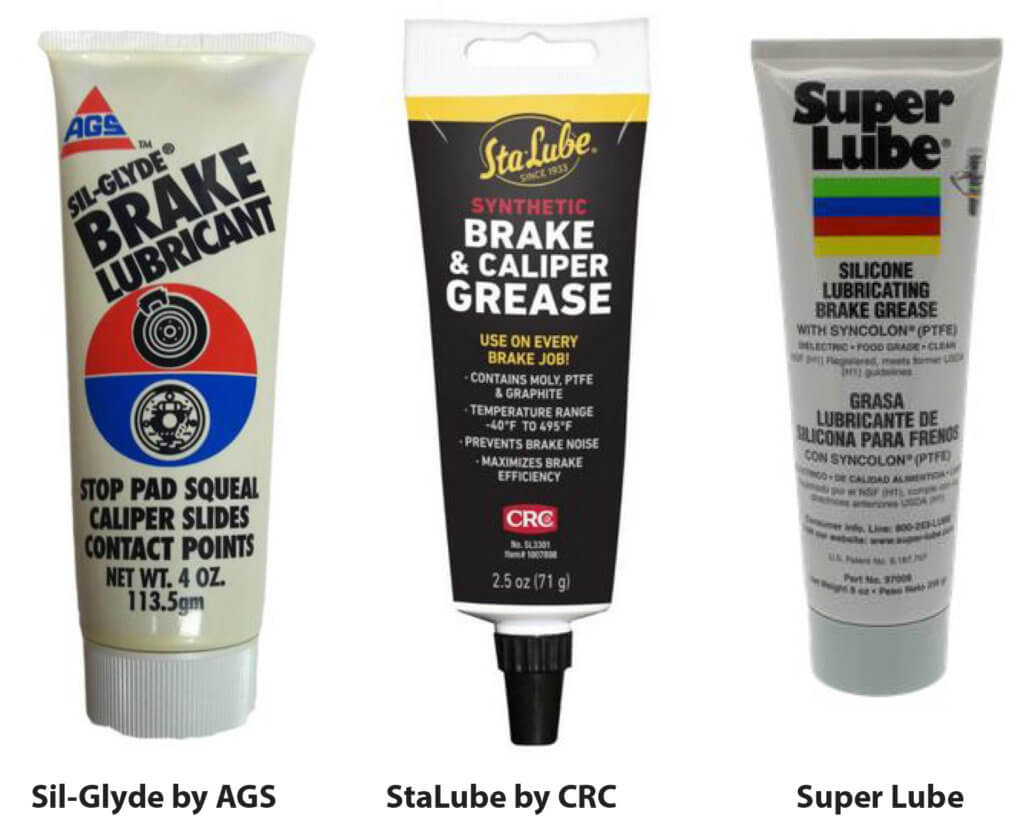
Silicone-based brake greases are dielectric, so they don’t promote galvanic action like metallic anti-seize products
High-temperature synthetic brake greases are non-petroleum based to prevent damage to rubber boots, seals, and O-rings. High-temperature brake greases are either silicone or Polyalkylene Glycol (PAG) based. They are low-solids, so they lubricate sliding parts and excel at dampening vibrations. They’re also dielectric, reducing or eliminating galvanic action and corrosion between dissimilar metals.
Where anti-seize can be used
Some carmakers apply nickel anti-seize to the 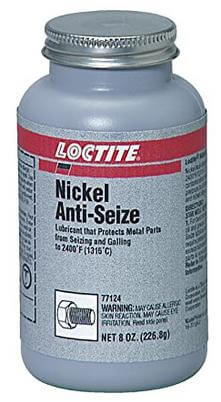 wheel hub to reduce corrosion that can cause lateral runout and disc thickness variation.
Nickel grade is made from nickel (20%) and graphite in a petroleum base. Nickel anti-seize excels at protecting metal parts from rust, corrosion, galling, and seizing at temperatures up to 2600° F. It provides excellent chemical and oxidation resistance.
How to use nickel anti-seize on wheel hubs
Remove all wheel hub rust using a wire brush or specialty hub rust removal products. Apply a light film of nickel anti-seize onto the wheel hub, avoiding getting the product on the wheel studs.
©, 2022 Rick Muscoplat
Posted on by Rick Muscoplat