
How to clean your engine the right way
Best way to clean your engine and engine compartment
If you have a greasy engine or want to clean the engine compartment you have to do some preparation beforehand. I’ll walk you through the engine cleaning prep process and give you some tips on the best way to clean your engine.
Park the car in an area where you can catch the runoff
Whether you use a solvent-based degreaser or a water-based degreaser to clean your engine, you still have to do this in an environmentally safe way. That means catching and absorbing the greasy runoff. Most people think that because their water-based degreaser is biodegradable, it’s okay to let the runoff flow into a storm sewer. Not true. When your degreaser starts dissolving grease, it’s no longer considered biodegradable. Because the runoff contains engine grease, It’s now hazardous waste and can’t be flushed down a storm sewer. The best way to capture 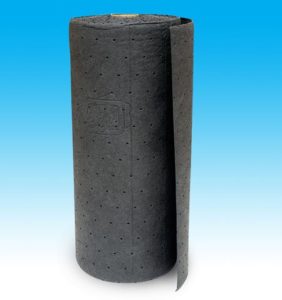 the grease is to lay down absorbent Pig Pads from a local auto parts store. Those pads absorb and hold the grease. When you’re done with the cleaning, just pack the pads in a plastic garbage bad and seal it. Then throw it in your trash.
Warm the engine before degreasing
The baked-on grease cleans off your engine easier if it’s warm. So run the engine for about 5 minutes before you start the process. Then, do the prep work.
Seal all engine electrical connectors before applying the engine degreaser
Wrap each electrical connector with Glad Press’N Seal wrap. That’s much easier and more secure than using traditional Saran wrap. Make sure the wrap touches itself at each end of the connector. Use the Glad Press’N Seal wrap to cover the air vents in the alternator. Wrap it over the  A/C compressor pulley and belt, as well as the power steering pulley and belt. Cover the top of the battery with the wrap. I like to wrap
  brightly colored surveyor tape around each electrical connection to have a visual reminder when I’m done cleaning the engine. The bright tape reminds me to remove the cling wrap.
Spray the degreaser on the heaviest buildup
Start the engine clean process by attacking the heaviest buildup areas first. For best results, buy a 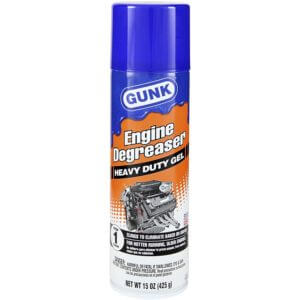 degreaser gel. Gel engine cleaners stay in place longer and don’t drip off as easily. Spray the gel degreaser on those areas and let it soak for the recommended time. Then, use a stiff nylon or wire brush to break up and
 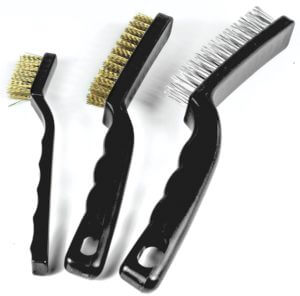 remove the surface grease. Then, spray the engine degreaser a second time and repeat scrubbing with the brush. Spray the degreaser a third time and let it sit.
Spray the entire engine compartment
Once you’ve prepped the heaviest buildup areas, spray the rest of the engine and the engine compartment.
Rinse off the degreaser with the hose nozzle
Rinse off the grease and degreaser using your garden hose and nozzle. Avoid high pressure around all electrical connectors, the alternator, starter, battery, computer, master cylinder and ABS controller or anything that has wires going to it. NEVER use a pressure washer to rinse your engine. High pressure water can work its way into electrical connectors and prevent your engine from starting and cause all kinds of running issue.
Clean up after cleaning your engine
Unwrap all the electrical connections. Then, start the engine and let it warm for a few minutes to make sure everything is running properly. Then, take it out on the highway to dry it out.
©, 2016 Rick Muscoplat
Posted on by Rick Muscoplat