
How to Open a Frozen Car Door Without Causing Damage
The Right Way to Open a Frozen Car Door in Winter
Quick Summary
When your car door is frozen shut, forcing it open is the fastest way to damage the window glass, bend the door frame, and tear the door’s weather stripping. The safest way to deal with a frozen car door is to melt the ice—not force it. A simple alcohol-based spray can free the door quickly without risking cracked glass or distorted metal. Just as important, a little preventive silicone treatment can keep your door from freezing shut again next winter. Below, I’ll walk you through exactly how to open a frozen door safely, what mistakes to avoid, and how to prevent this problem for good.
Article
Effective Methods to Open a Frozen Car Door Safely
If you live in a cold climate long enough, you’ll eventually walk out to your car and find the car door frozen shut. It almost always happens after winter rain, melting snow, or a car wash, followed by a hard freeze. Moisture seeps into the rubber door seals, freezes overnight, and bonds the weather stripping to the door frame.
I’ve seen a lot of damage caused by impatience. When a frozen car door won’t budge, many people instinctively yank harder. That’s a huge mistake—especially on vehicles with frameless door glass. Pulling on a frameless window can crack the glass or tear the weather stripping. Even with a framed door, prying or forcing it can bend the frame enough to cause wind noise and leaks later.
The key to dealing with a frozen door is to understand that it’s the ice around the door seals that’s the problem, not the latch. Once you focus on melting that ice, the rest of the job becomes much simpler and safer.
What NOT to do when you encounter a frozen car door
1) Never pour hot water on frozen glass — The rapid temperature change can shatter the glass instantly. I also avoid heat guns or hair dryers for the same reason—they create uneven heating that stresses the glass.
2) Never use a heat gun to thaw the ice — A hair dryer is ok, but never a heat gun; it can damage the paint and melt the rubber weatherstripping.
3) Never pry on the door frame or window — You’ll bend the door or break the glass, or both
4 Never spray petroleum-based lubricants like WD-40 on weather stripping — Petroleum products attack rubber and foam seals, causing them to swell, crack, and fail prematurely. None of these methods are worth the risk when there’s a safer way to learn how to open a frozen door.
How I Open a Frozen Car Door Without Damage
Alcohol dramatically lowers the freezing point of water. A 2:1 alcohol-to-water mix stays liquid well below 0°F, penetrates ice quickly, and melts it faster than water alone—without shocking the glass or damaging weather stripping. The small amount of water helps the solution spread and adhere rather than evaporating immediately.
Alcohol/Water Mix to Thaw Your Frozen Car Door
Mix 2 parts 90% isopropyl alcohol to 1 part tap water. That works out to roughly 16 oz of 90% isopropyl alcohol to 8 oz of water.
Add to a spray bottle set to a solid stream, not a mist. If I don’t have a spray bottle, use a turkey baster.
Begin spraying at the top of the window (on a frameless door) or the top of the door frame and work my way down. Gravity helps the solution seep into the frozen areas. As the ice begins to melt, you’ll feel the door start to move slightly. That’s your cue to keep applying the solution—not to pull harder. Within a minute or two, even a stubborn frozen car door will usually release.
This method works with both framed and frameless glass and is the safest way I know of to open a frozen car door without causing any paint, rubber, metal, or glass damage
How I Prevent a Car Door From Freezing Shut in Winter
Once you’ve dealt with a car door frozen shut, the real win is making sure it doesn’t happen again. Prevention is easy and takes less than ten minutes.
Every fall, I treat the weatherstripping with a silicone spray—not petroleum-based spray, but a proper silicone lubricant. I only use name-brand silicone sprays because cheap products are mostly solvent with very little silicone. The higher silicone content creates a slippery, water-repelling surface that prevents ice from bonding in the first place.
Here’s how to apply silicone to your weatherstripping:
Never spray directly onto the weather stripping. Instead, spray it onto a clean rag and let the solvent flash off for a few minutes. Then wipe the silicone onto each section of weather stripping, paying close attention to the top edges, where water tends to collect. I also wipe a light coat onto the door frame where it contacts the seals.
This one step significantly reduces the risk of a frozen car door and makes winter mornings much less frustrating.
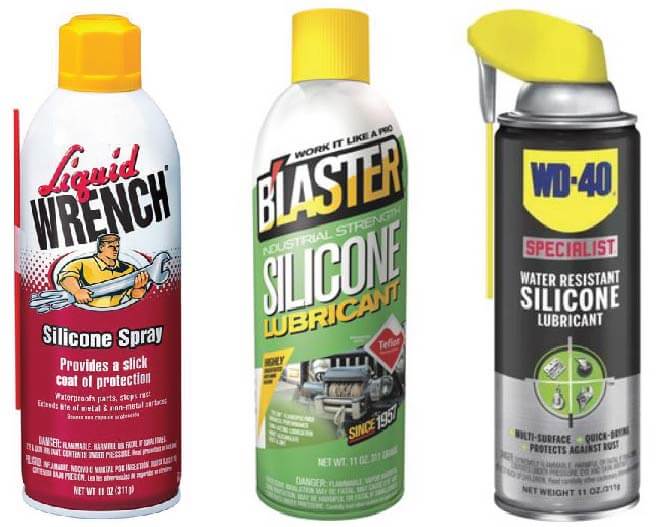
Liquid Wrench Silicone Spray, PB Blaster Silicon Spray, WD-40 Silicone Spray
Repeat this every Fall.
©, 2021 Rick Muscoplat
Posted on by Rick Muscoplat