
Symptoms of a Bad Turbocharger: How to Diagnose Turbo Failure
How I Diagnose a Bad Turbocharger Step-by-Step
Quick Summary (Read This First)
When I diagnose a bad turbocharger, I don’t guess—I look for patterns. The most common symptoms of a bad turbocharger include loss of power, blue or white exhaust smoke, whining or siren-like noises, increased oil consumption, and poor acceleration. In my experience, turbo failure almost always starts small—usually oil-related—and gets worse fast. If you catch these symptoms early, you can often prevent major engine damage.
What Are the Symptoms of a Bad Turbocharger?
Over the years, I’ve diagnosed hundreds of turbocharged engines, and the symptoms of a bad turbocharger tend to show up in very predictable ways. The key is knowing what each symptom actually means—and what’s causing it.
Let me walk you through exactly what I look for.
Symptom #1 Loss of Power — One of the earliest and most common symptoms of a bad turbocharger is a noticeable loss of power. When a turbo is working correctly, it forces more air into the engine, increasing combustion efficiency and power. But when it starts to fail:
• Boost pressure drops
• The engine feels sluggish
• Acceleration becomes weak
In many cases, customers describe it as “it just doesn’t feel like it used to.”
When I see this, the first thing I check is whether the turbo is actually building boost.
Symptom #2 Blue Smoke from the Exhaust — If I see blue smoke, I immediately suspect internal turbo issues. Blue smoke is one of the clearest symptoms of a bad turbocharger, and it usually means:
• Oil is leaking past the turbo seals
• Oil is entering the intake or exhaust side
This happens when the internal bearings wear out or the seals fail.
Here’s how I interpret it:
Smoke under acceleration → intake-side leak
Smoke during deceleration → exhaust-side leak
Either way, this is a strong indicator that the turbo is on its way out.
Symptom #3 White Smoke From the Exhaust — White smoke can also be one of the symptoms of a bad turbocharger, especially if it’s excessive.
This usually means:
• Oil is being atomized and burned
• Or coolant contamination (less common but serious)
If I see thick white smoke along with poor performance, I start looking closely at the turbo’s coolant seals and shaft condition.
Symptom #4 Whining or Siren Noise (Bearing Failure) — A healthy turbo makes a smooth, almost quiet whistle. But when I hear a loud whining, grinding, or siren-like noise, I know something is wrong. This is one of the most overlooked symptoms of a bad turbocharger.
What it usually means:
• Worn bearings
• Shaft imbalance
• Internal damage
If you hear this and keep driving, the turbo can fail completely—and sometimes send metal into the engine.
Symptom #5 Excessive Oil Consumption — If your engine is suddenly burning oil with no visible leaks, I immediately consider the turbo. One of the hidden symptoms of a bad turbocharger is oil being pulled into the intake system and burned during combustion.
Signs I look for:
• Oil in the intercooler piping
• Oil residue inside the intake
• Frequent need to top off oil
This often ties directly to seal failure or excessive shaft play.
Symptom #6 Turbo Not Building Boost — Sometimes the turbo doesn’t fail dramatically—it just stops doing its job. This is one of the more subtle symptoms of a bad turbocharger, but it’s critical.
Possible causes I check:
• Wastegate stuck open
• Boost leak in hoses
• Damaged compressor wheel
• Worn internal components
If boost is low or nonexistent, the engine will feel naturally aspirated—or worse.
What Causes a Bad Turbocharger?
In my experience, turbos rarely fail randomly. There’s almost always a root cause. The most common causes I see behind the symptoms of a bad turbocharger are:
1) Oil Starvation — The #1 killer of turbochargers. Without proper lubrication, the turbo bearings fail quickly.
• Dirty oil
• Low oil levels
• Restricted oil lines
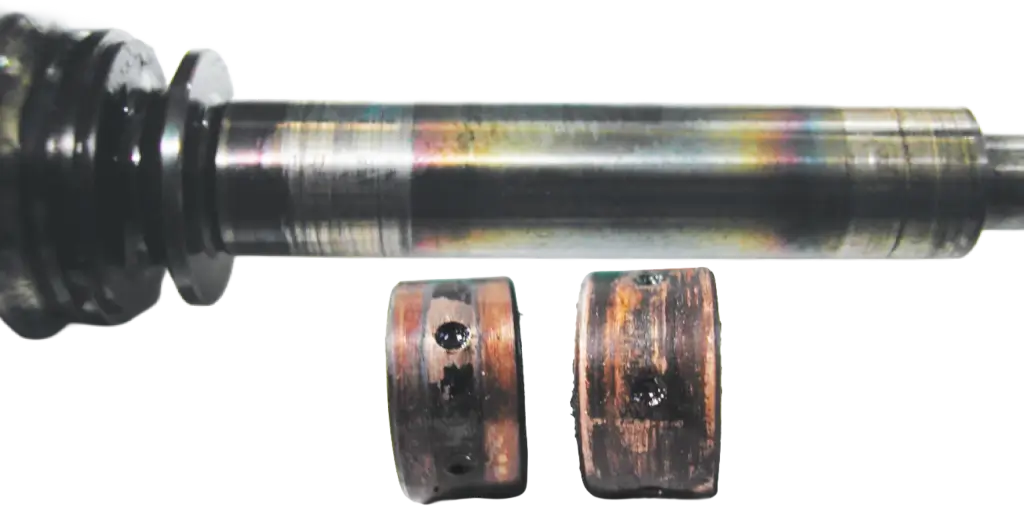
Overheated shaft and bearings due to dirty oil or low oil level
2) Oil Coking (Heat Damage) — After shutdown, oil can “cook” inside the turbo if it’s too hot.
This leads to:
• Carbon buildup
• Oil flow restriction
• Premature wear
3) Foreign Object Damage — Debris entering the intake can destroy a turbo instantly.
I’ve seen:
• Broken compressor blades
• Imbalance
• Total turbo failure
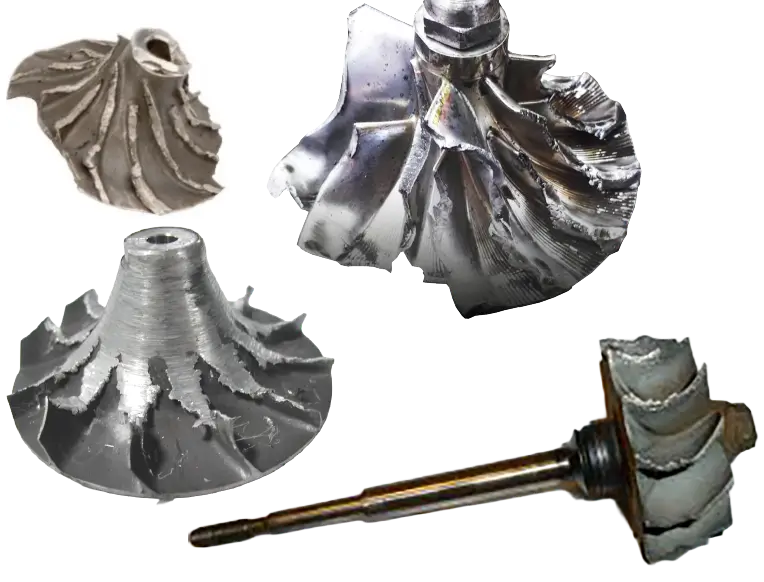
Examples of damaged compressor wheels in a turbocharger
4) Boost Leaks or Overboost — Incorrect pressure can stress the turbo beyond its limits.
Can You Drive With a Bad Turbocharger?
Short answer: You can—but you shouldn’t. Driving with the symptoms of a bad turbocharger can lead to:
• Complete turbo failure
• Oil contamination
• Engine damage
How I Diagnose a Bad Turbocharger (Step-by-Step)
When I suspect turbo issues, I follow a consistent process:
Step 1: Check for boost
Step 2: Inspect intake piping
Step 3: Check shaft play
Step 4: Listen for noise
Step 5: Scan for codes
My Final Take On Turbo Symptoms
Here’s what I tell people every time: If you’re seeing multiple symptoms of a bad turbocharger, don’t wait. Turbo problems don’t fix themselves—they get worse. And the longer you wait, the more expensive the repair becomes. Catch it early, diagnose it correctly, and you can often save the engine.
©, 2026 Rick Muscoplat
Posted on by Rick Muscoplat