
The Truth About EGR Delete Mods on Gas and Diesel Engines
EGR Delete Explained: Why Removing Your EGR May Be a Mistake
Quick Summary
Many people consider performing an EGR delete on a gasoline or diesel engine because they believe it improves power, increases fuel economy, and prevents engine wear. In reality, the situation is far more complicated. In fact, contrary to popular belief, deleting the EGR rarely produces meaningful improvements in power or fuel economy on modern engines.
In this article, I’ll explain how an EGR system actually works, why people attempt an EGR delete, the myths surrounding the modification, and why deleting the system often causes more problems than it solves.
Article
The Truth About an EGR Delete: What It Really Does to Your Engine
As someone who has spent decades diagnosing and repairing engines, I hear one topic come up again and again: the EGR delete.
Many enthusiasts believe removing the EGR system will extend engine life, increase horsepower, and dramatically improve fuel economy. I understand why the idea is appealing. After all, the EGR system routes exhaust gases back into the engine intake. At first glance, that sounds like the engine is being forced to “eat its own exhaust.” But when you dig into the system’s actual engineering, the story becomes much more nuanced.
How an EGR System Actually Works
The Exhaust Gas Recirculation system was developed to reduce nitrogen oxide emissions, commonly called NOx. These gases form when combustion temperatures inside the engine exceed roughly 2,200°F. At that temperature, nitrogen and oxygen molecules combine to form harmful compounds.
The EGR system prevents that reaction from occurring in the first place. It does this by routing a controlled amount of exhaust gas back into the intake stream. That exhaust gas is mostly inert—it contains very little oxygen because the oxygen was already consumed during combustion.
When this inert gas mixes with fresh intake air, two important things happen.
1) It reduces the oxygen concentration in the cylinder. Less oxygen slows the combustion process slightly.
2) The inert gas absorbs heat during combustion. Exhaust gas has a higher heat capacity than fresh air, which means it takes more energy to raise its temperature. That effect lowers peak combustion temperatures. In other words, lower combustion temperatures mean less NOx formation. That’s the entire purpose of the system.
Why People Think They Need To Perform an EGR Delete
Despite the engineering behind it, many 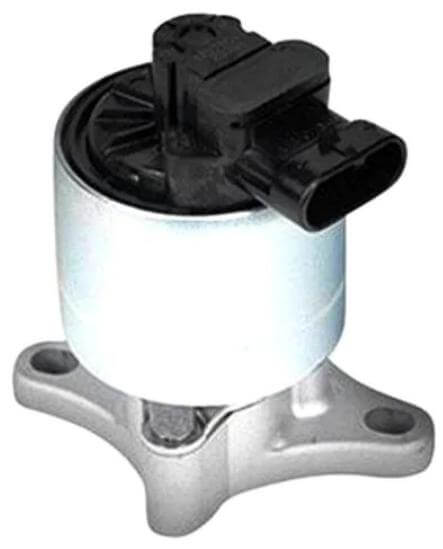 enthusiasts still perform an EGR delete. I’ve heard the same arguments for years. Some people believe the EGR system ruins engines by introducing soot into the intake. Others believe deleting it will increase horsepower or dramatically improve fuel economy.
And on older diesel engines, there is some truth behind those concerns. Exhaust soot can mix with oil vapors from the crankcase ventilation system and form carbon deposits inside the intake manifold. Over time, those deposits can restrict airflow and cause maintenance headaches. Because of that, some owners conclude the best solution is to remove the system entirely.
But that conclusion ignores several important realities.
The Biggest Myths About an EGR Delete
One of the biggest misconceptions I hear is that the EGR system “burns off” harmful emissions. That’s simply not true. The EGR system doesn’t burn pollutants. Instead, it prevents NOx from forming in the first place by lowering combustion temperatures. Period.
Another myth is that removing the system dramatically improves performance. In reality, the amount of exhaust gas introduced by the EGR system is relatively small, and it’s carefully controlled by the engine computer. Most engines operate with excess oxygen in the cylinders anyway, particularly diesel engines. Removing a small portion of inert gas rarely produces a noticeable power increase.
Fuel economy improvements are also greatly exaggerated. In many cases, eliminating the EGR system reduces engine efficiency because it helps moderate combustion temperatures and improve part-throttle efficiency.
Does an EGR Delete Improve Power?
Technically, removing EGR can slightly increase peak combustion temperatures. Higher temperatures can, in principle, increase power output. But in real-world driving, the difference is usually negligible.
Modern engines are calibrated with the EGR system in mind. When you perform an EGR delete, the engine control module may still expect EGR to occur.
Without recalibration, combustion temperatures may rise beyond what the engine was designed to handle. That can increase the risk of detonation in gasoline engines or of elevated exhaust-gas temperatures in diesels. In other words, the potential gains are small, but the risks can be significant.
Does an EGR Delete Improve Fuel Economy?
Another common claim is that deleting the EGR system dramatically improves fuel economy. In reality, the difference is usually small and inconsistent. Some engines may see minor improvements under specific conditions, but many see no measurable change. In certain cases, fuel consumption can actually increase.
That’s because EGR can improve efficiency during light-load cruising by reducing pumping losses and stabilizing combustion.
The Real Downsides of an EGR Delete
The biggest problem with an EGR delete is legality. In many countries, including the United States, removing emissions equipment from a road vehicle violates federal emissions laws.
The penalties can be severe. But legal issues aren’t the only concern.
Removing the EGR system can also increase combustion temperatures, dramatically raise NOx emissions, and potentially increase stress on pistons, valves, and turbochargers. It can also trigger check-engine lights and require custom tuning to prevent fault codes.
The Bottom Line on an EGR Delete
After years of working on engines and studying the engineering behind them, I’ve come to a simple conclusion.
An EGR delete is rarely the miracle modification people expect. Yes, the system can contribute to carbon buildup in certain engines. But removing it introduces new problems, dramatically increases emissions, and can expose you to legal penalties.
For most drivers, the smarter approach is simply to maintain the system properly—keep the intake clean, use quality oil, and address EGR issues when they arise.
In the real world, a properly functioning EGR system is far less harmful than the myths surrounding it.
©, 2026 Rick Muscoplat
Posted on by Rick Muscoplat