
Why Brake Calipers Use a Rubber Guide Pin Sleeve
Caliper Slide Pin Sleeve: What It Does and Why You Should Replace It
Quick Summary
Brake caliper slide pin sleeves (also called rubber guide pin sleeves) are engineered dampers installed on one of the caliper guide pins in many floating brake calipers. They reduce brake noise, control caliper movement, minimize pad taper wear, and help prevent vibration. During every brake job, inspect the sleeves for swelling, tears, or hardening and replace them if they’re damaged. Always lubricate the guide pins and sleeves with a high-temperature silicone-based brake caliper grease—never petroleum grease, which can cause the rubber to swell and seize the caliper.
What Is a Caliper Slide Pin Sleeve and Why Is It So Important?
If you’ve ever rebuilt a floating brake caliper, you’ve probably noticed that one guide pin often has a caliper slide pin sleeve while the other does not. That small rubber component is easy to overlook, and many DIYers throw it away without realizing it serves a critical engineering purpose.
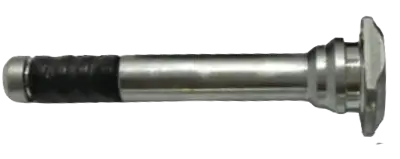 The rubber guide pin sleeve isn’t simply a spacer or dust seal. It’s a vibration damper and movement control device designed to improve braking performance, reduce noise, and extend brake pad life. Reusing a worn sleeve—or leaving it out entirely—can cause brake noise, uneven pad wear, sticking calipers, and premature brake component failure.
Why Manufacturers Use a Caliper Slide Pin Sleeve
Floating brake calipers rely on guide pins to center the caliper over the rotor. During braking, hydraulic pressure pushes the inboard pad against the rotor while the caliper slides on its guide pins to apply the outboard pad.
Without controlled movement, the caliper can:
• Shift too abruptly
• Vibrate during braking
• Develop brake squeal
• Wear the pads unevenly
• Produce excessive clearance between the guide pin and bore
A caliper slide pin sleeve provides slight resistance to guide pin movement while damping vibration. Engineers tune the sleeve’s elasticity to create smooth caliper motion without allowing excessive free play.
Its primary functions include:
• Reducing brake squeal and vibration
• Controlling side-to-side caliper movement
• Preventing guide pin rattle
• Reducing brake pad taper wear
• Maintaining proper caliper alignment
• Improving pedal feel
How a Rubber Guide Pin Sleeve Works
Unlike the accordion-style dust boot that seals the guide pin bore, the rubber guide pin sleeve installs directly onto one guide pin.
As the guide pin slides in and out during braking, the rubber sleeve compresses slightly against the guide bore. That controlled friction absorbs vibration while slowing rapid caliper movement.
Many manufacturers intentionally install the sleeve on only one guide pin because:
• One pin controls movement.
• The second pin provides free sliding action.
• Together they maintain proper caliper alignment.
Installing both pins with sleeves—or installing the sleeved pin in the wrong location—can interfere with normal caliper operation.
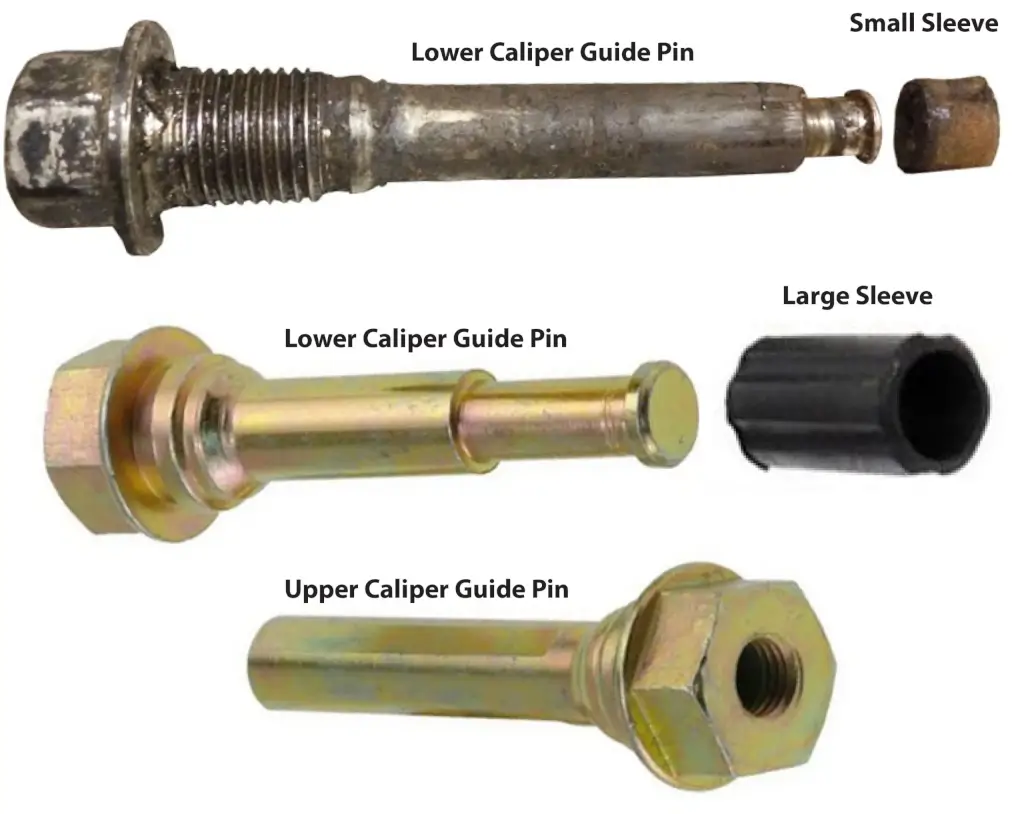
Why it’s so important to replace the sleeves and boots during a brake job
The sleeves have molded grooves to allow air to pass past the guide pin to prevent air pockets. Over time, the top of the grooves wears, and the sleeve loses its ability to dampen braking vibration and noise. That’s why they should be replaced on every brake job.
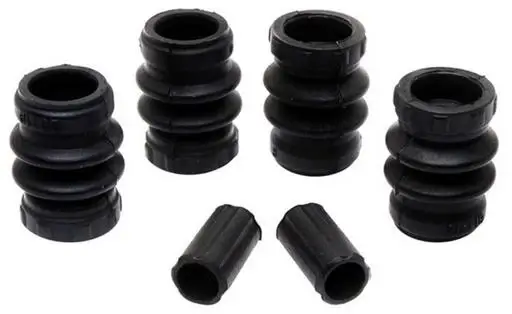
caliper pin boot kit
In addition to replacing the sleeves, you should also replace the guide pin boots. They’re responsible for keeping water and grit out of the slide pin mechanism. The boots are subjected to high heat, and they too deteriorate.
How to Install a Caliper Slide Pin Sleeve
Installing the sleeve correctly is just as important as replacing it.
Follow these steps:
1) Remove both guide pins.
2) Clean the guide pin bores thoroughly using brake cleaner and a bore brush.
3) Remove all old grease and corrosion.
4) Inspect both guide pins for rust, scoring, or pitting.
5) Replace damaged guide pins.
6) Install the new rubber guide pin sleeve onto the correct guide pin.
7) Apply the proper brake lubricant.
8) Reinstall each guide pin in its original location.
9) Verify that the caliper slides smoothly without binding.
Never force the guide pin into the bore. If excessive resistance exists, determine the cause rather than applying more force.
What Grease Should You Use?
Choosing the correct lubricant is critical. Use only a high-temperature silicone-based brake caliper grease specifically approved for:
• EPDM rubber
• Brake caliper guide pins
• Rubber guide pin sleeves
• Brake hardware
Good choices include:
• Sil-Glyde Brake Lubricant
• Permatex Ceramic Extreme Brake Parts Lubricant
• 3M Silicone Paste
• AGS Sil-Glyde
Avoid:
• Wheel bearing grease
• Chassis grease
• White lithium grease
• Multi-purpose grease
• Petroleum-based lubricants
• Any type of anti-seize product
Petroleum oils attack EPDM rubber, causing the sleeve to swell. Once swollen, the guide pin may seize inside the bore, resulting in brake drag and uneven pad wear.
Apply only a thin film of grease. Packing the bore full of grease can create hydraulic lock, preventing the guide pin from moving freely.
What Happens If You Don’t Replace a Worn Rubber Guide Pin Sleeve?
Many brake jobs reuse old hardware to save a few dollars. That’s often a costly mistake. A worn caliper slide pin sleeve can develop:
• Hardening
• Cracks
• Swelling
• Compression set
• Tears
• Loss of elasticity
When that happens, several problems can develop.
Brake Noise — The sleeve can no longer damp vibration, allowing brake squeal and rattles to develop.
Uneven Pad Wear — The caliper may no longer center itself properly, producing tapered or uneven brake pad wear.
Sticking Calipers — Swollen sleeves or dried grease increase sliding resistance.
Symptoms include:
• Vehicle pulling during braking
• Overheated brakes
• Premature pad wear
• Reduced fuel economy
• Rotor Damage
Without proper support, the guide pin can wear against the bore, increasing clearance and allowing even more vibration.
Should You Replace the Sleeves During Every Brake Job?
My recommendation is simple: If the brake hardware kit includes new caliper slide pin sleeves, install them.
Considering their low cost, replacing them during every brake service is inexpensive insurance against future brake problems.
Always replace the sleeves if you find:
• Torn rubber
• Swelling
• Hardening
• Corrosion on the guide pin
• Excessive guide pin looseness
• Contaminated grease
If the original sleeve remains soft, flexible, and undamaged—and the vehicle manufacturer doesn’t specify replacement—you may be able to reuse it. However, replacing it whenever new hardware is available is generally the better practice.
Where does the sleeve guide pin go?
The sleeve caliper guide pin is almost always the bottom pin. I’ve never seen it installed anywhere other than instances where a DIYer or uninformed technician has worked on the brakes and installed it as the top pin. If you’re ever in doubt, go to a dealer’s online parts site and pull up a diagram.
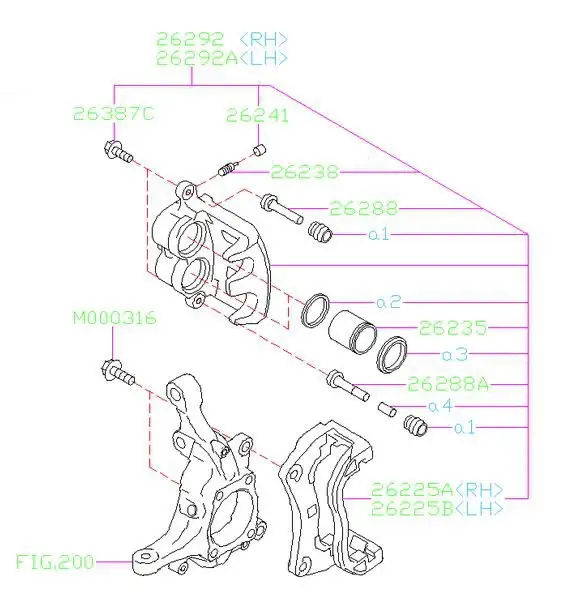
Dealer parts diagram for a Subaru Outback. This shows the driver’s side front wheel, where the caliper is mounted on the cabin side of the rotor. Notice that caliper guide pin 26288A is bottom pin and has sleeve o4 and boot 01
Final Thoughts
The caliper slide pin sleeve is one of the smallest components in a disc brake system, but it has an outsized effect on brake performance. By controlling guide pin movement and absorbing vibration, the rubber guide pin sleeve helps keep the caliper centered, reduce brake noise, promote even pad wear, and prevent sticking.
Whenever you service your brakes, don’t focus only on pads and rotors. Clean the guide pins, use the correct silicone brake lubricant, inspect the sleeves carefully, and replace worn components before they cause your next brake problem.
©, 2024 Rick Muscoplat
Posted on by Rick Muscoplat