
Common AC Compressor Noise and Their Causes
Step-by-Step Diagnosis of AC Compressor Noise Problems
Quick Summary
AC compressor noise is often the first warning sign that something is wrong with your vehicle’s air conditioning system. Common noises include;
• Rattling
• Grinding
• Squealing
• Chirping
• Knocking
• Hissing
• Clicking.
The causes range from worn compressor bearings and failing clutches to refrigerant issues, internal compressor damage, contaminated refrigerant oil, and loose mounting hardware.
The key to proper diagnosis is identifying when the noise occurs—whether it’s present all the time, only when the AC is turned on, or only during compressor cycling. Diagnosing AC compressor noises early can prevent catastrophic compressor failure and save thousands of dollars in repair costs.
Why AC Compressor Noises Should Never Be Ignored
As an ASE Master Technician, I’ve diagnosed hundreds of noisy air conditioning systems over the years. One thing I’ve learned is
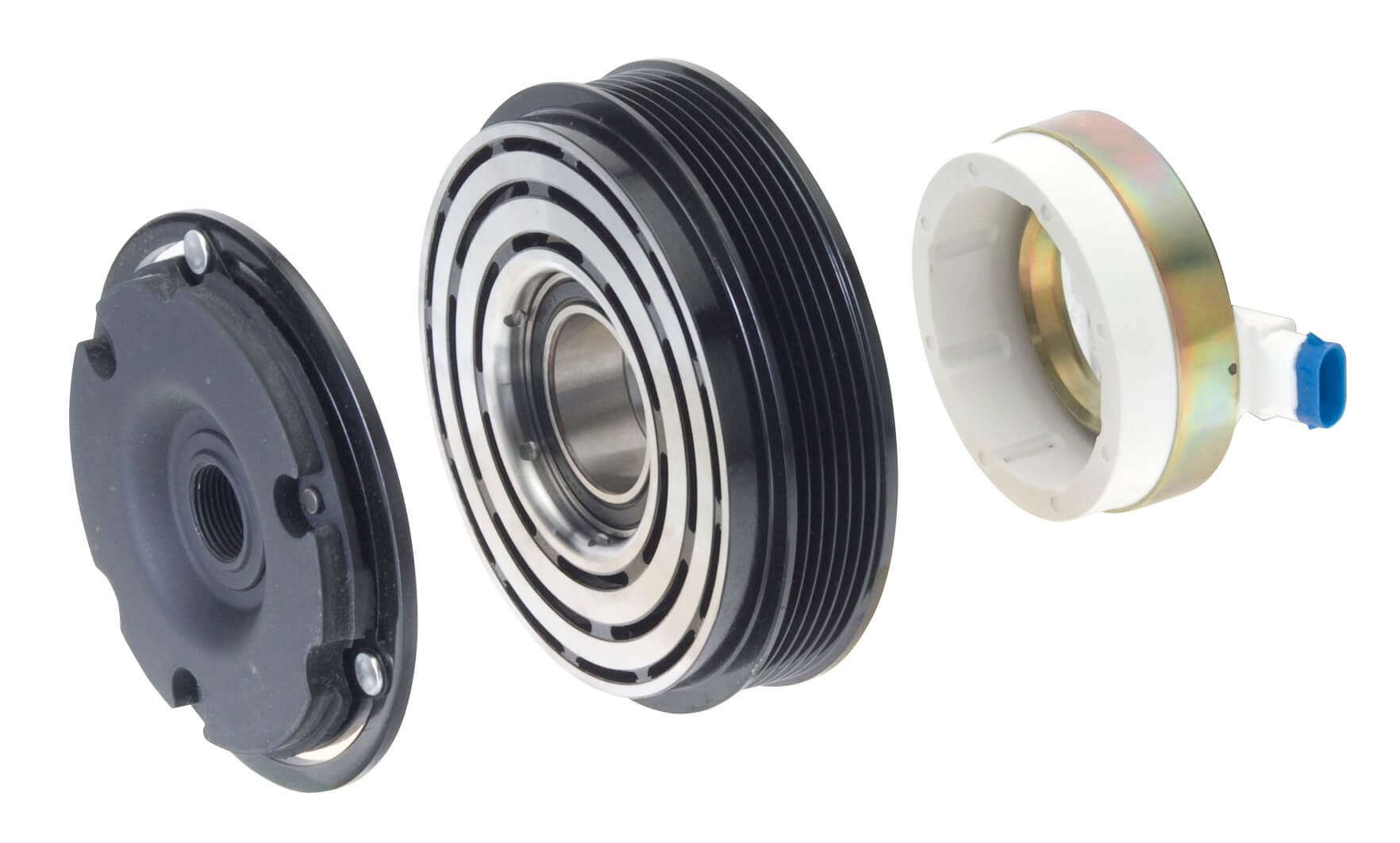
AC compressor clutch
that a compressor rarely starts making noise without a reason. In most cases, the noise is the system’s way of warning you that a component is wearing out, refrigerant flow isn’t normal, or internal damage has already begun.
Ignoring AC compressor noises can turn a relatively inexpensive clutch replacement into a complete system overhaul. When a compressor fails internally, metal debris often contaminates the condenser, expansion valve, hoses, and evaporator. At that point, you’re no longer replacing just a compressor—you’re rebuilding much of the AC system.
Let’s look at the most common noises and what they usually mean.
Grinding Noise When the AC Is Turned On
A grinding noise is one of the most serious AC compressor noises you’ll encounter.
Common Causes
• Failed compressor shaft bearing
• Internal compressor bearing failure
• Damaged pistons or reed valves
• Lack of lubrication due to oil loss
• Severe compressor wear
How I Diagnose It
First, I determine whether the noise occurs only when the compressor clutch engages or at all times. If grinding occurs even with the AC turned off, the compressor pulley bearing is usually the culprit. If the noise begins only after clutch engagement, internal compressor damage is more likely.
The Fix
• Replace pulley bearing if serviceable
• Replace the compressor assembly
• Flush the system if internal damage occurred and replace the receiver-drier or accumulator
• Add the correct refrigerant oil quantity
Squealing or Screeching Noise
A squealing sound often causes drivers to assume the compressor itself has failed. In reality, many squeals originate from the drive belt system.
Common Causes
• Loose serpentine belt
• Worn belt tensioner
• Seized compressor
• Compressor beginning to lock up
• Excessive system pressure
• Diagnostic Procedure
• Severely overcharged AC System
I inspect:
• Belt condition
• Belt tension
• Tensioner movement
• Pulley alignment
• Compressor rotation
A compressor that becomes difficult to rotate often causes belt squeal when the clutch engages.
The Fix
• Replace the worn belt
• Replace the faulty tensioner
• Correct pulley alignment
• Replace the seized compressor
Rattling Noise From the Compressor Area
Rattling is among the most common AC compressor noises reported by vehicle owners.
Common Causes
• Loose compressor clutch plate
• Worn clutch hub
• Loose compressor mounting bolts
• Internal compressor wear
• Excessive clutch air gap
• Diagnostic Procedure
With the engine running, I observe the clutch operation while cycling the AC on and off. A loose clutch plate often rattles at idle and quiets at higher RPM.
The Fix
• Adjust clutch air gap
• Replace clutch assembly
• Tighten mounting hardware
• Replace the compressor if internal wear exists
Knocking or Clunking Noise
Knocking sounds usually indicate internal mechanical issues.
Common Causes
• Worn pistons
• Broken reed valves
• Damaged swash plate
• Internal compressor damage
• Hydraulic slugging caused by liquid refrigerant
• Diagnostic Procedure
Using manifold gauges, I verify the pressure readings while listening to the compressor’s operation. Abnormal pressures combined with knocking often point toward internal failure.
The Fix
Unfortunately, internal compressor damage almost always requires compressor replacement.
Chirping Noise
A chirping sound typically occurs intermittently and may change with engine speed.
Common Causes
• Worn pulley bearing
• Clutch misalignment
• Damaged clutch surface
• Belt wear
• Contaminated clutch components
Diagnostic Procedure
I use a mechanic’s stethoscope to isolate the exact source. Many chirping noises initially blamed on the compressor actually originate from idler pulleys or belt tensioners.
The Fix
• Replace the pulley bearing
• Replace clutch assembly
• Replace the worn drive belt
• Correct alignment issues
Clicking Noise During Compressor Operation
Not every clicking sound indicates a problem. Modern AC systems frequently cycle the compressor clutch on and off during operation.
Normal Clicking
• Compressor clutch engagement
• Compressor clutch disengagement
Abnormal Clicking
• Rapid cycling caused by low refrigerant
• Faulty pressure switch
• Electrical relay failure
• Defective clutch coil
The Fix
Diagnose refrigerant charge, pressure switch operation, and electrical circuits before replacing parts.
Hissing Noise Near the Compressor
Hissing noises often point toward refrigerant flow issues.
Common Causes
• Refrigerant leak
• Expansion valve operation
• Pressure equalization after shutdown
• Damaged hose connection
• Service port leak
• Diagnostic Procedure
I use:
• Electronic leak detector
• UV dye
• Soap bubble testing
• Pressure testing
The Fix
• Locate and repair leaks before recharging the system.
My Step-by-Step Diagnostic Procedure for AC Compressor Noises
When diagnosing AC compressor noises, I always follow a systematic approach:
Step 1: Determine When the Noise Occurs
• AC off?
• AC on?
• Idle only?
• High RPM only?
Step 2: Inspect the Drive Belt System
• Belt wear
• Tension
• Alignment
• Tensioner condition
Step 3: Check Compressor Clutch Operation
• Air gap
• Clutch engagement
• Bearing condition
Step 4: Measure System Pressures —Using a manifold gauge set, compare:
• High-side pressure
• Low-side pressure
• Ambient temperature
Step 5: Inspect for Refrigerant Leaks — Leaks often lead to oil starvation and compressor damage.
Step 6: Listen with a Mechanic’s Stethoscope — This helps isolate noises from:
• Compressor bearing
• Clutch assembly
• Idler pulleys
• Alternator
• Water pump
Preventing AC Compressor Noises
The best way to avoid AC compressor noises is regular AC system maintenance.
I recommend:
• Repairing refrigerant leaks promptly
• Maintaining proper refrigerant charge
• Replacing the receiver-drier when the system is opened
• Keeping condenser fins clean
• Replacing worn belts and tensioners before they fail
A well-maintained compressor can easily last 150,000 to 200,000 miles or more.
Conclusion
Most AC compressor noises are early warning signs of bearing wear, clutch problems, refrigerant issues, or internal compressor damage. Grinding, squealing, rattling, knocking, chirping, clicking, and hissing sounds each point toward specific failures that can usually be diagnosed quickly with proper testing. The sooner you investigate unusual AC noises, the greater the chance you’ll avoid expensive system contamination and major repairs.
See this post for more information on AC pressure gauge readings
©, 2020 Rick Muscoplat
Posted on by Rick Muscoplat