
Symptoms of a Bad Clutch: The Warning Signs
Bad Clutch Warning Signs Every Driver Should Know
Quick Summary
The most common symptoms of a bad clutch include: slipping, difficulty shifting gears, a burning smell, unusual noises when pressing the clutch pedal, and a clutch pedal that engages very high or very low. In many cases, these symptoms point to a worn-out clutch disc, pressure plate problems, or a failing release bearing. Knowing when to replace a clutch is critical because waiting too long can damage the flywheel, pressure plate, and transmission input shaft. If you notice slipping, poor acceleration, or difficulty getting the vehicle into gear, it’s often a clear sign you’re dealing with a bad clutch that needs attention.
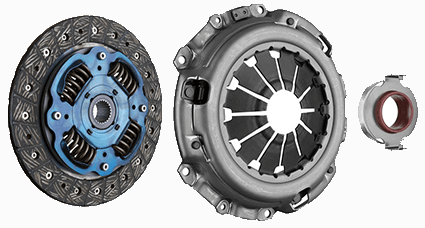
Clutch disc, pressure plate, and throwout bearing
Article
Symptoms of a Bad Clutch: Signs You May Need a New Clutch
As someone who has worked on manual transmissions for decades, I can tell you that clutch problems rarely appear overnight. In most cases, a bad clutch develops gradually as the clutch disc wears down from normal driving.
Understanding the symptoms of a worn-out clutch can help you avoid getting stranded and decide when to replace it before it damages other expensive drivetrain components. Let’s go through the most common warning signs I see in the shop.
Slipping Clutch During Acceleration — A slipping clutch occurs when the clutch disc can’t hold the engine’s power against the flywheel. Instead of transferring power to the transmission, the clutch disc slips between the flywheel and pressure plate.
You’ll notice this especially during acceleration. The engine RPM will rise quickly, but the vehicle won’t accelerate as it should. This is one of the clearest indicators of a worn-out clutch.
A slipping clutch often becomes more noticeable in higher gears or when climbing hills. If the engine revs increase but the road speed doesn’t increase proportionally, that’s a classic slipping clutch condition.
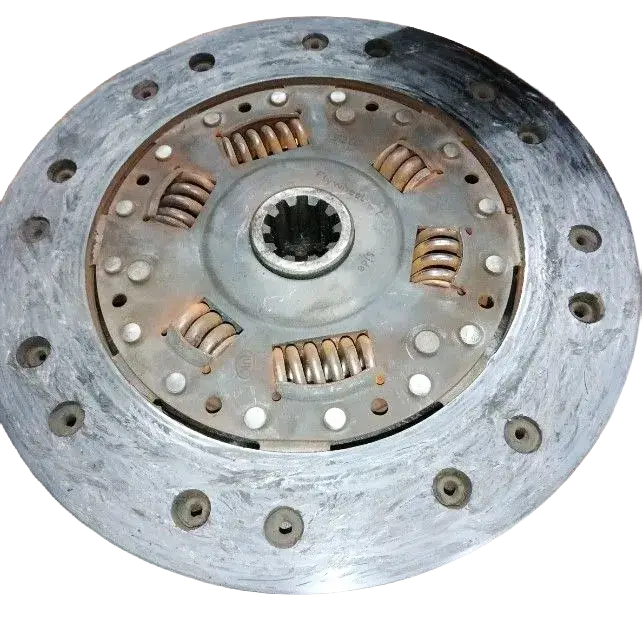
Completely worn-out clutch disc
Clutch Pedal Engagement Point Is Very High — Another symptom of a bad clutch is a clutch pedal that engages very high off the floor. As the clutch disc wears down, the engagement point moves upward. With a worn-out clutch, you may find the vehicle doesn’t begin moving until the pedal is almost fully released.
This happens because the friction material on the clutch disc becomes thinner over time.
If you notice the engagement point creeping higher and higher, it’s a strong indication of a bad clutch and a good sign that it’s time to think about when to replace a clutch.
Burning Smell From the Clutch — A strong burning odor while driving can also indicate a bad clutch. When a slipping clutch occurs, the friction material overheats and produces a distinct burning smell similar to overheated brakes. This smell often appears after aggressive acceleration, towing, or driving in stop-and-go traffic.
Repeated overheating will quickly turn a partially worn-out clutch into a completely failed clutch. If you notice the smell more than once, it’s a sign you should start planning when to replace a clutch.
Difficulty Shifting Gears — A bad clutch can also make it difficult to shift gears smoothly.
If the clutch doesn’t fully disengage, the transmission synchronizers must work harder to change gears. This can lead to grinding noises or resistance when shifting. Drivers often mistake this for a transmission problem, but the real cause is often a worn-out clutch or a failing release mechanism.
When diagnosing a bad clutch, I always check the hydraulic system or clutch cable adjustment first, but if those are working correctly, the clutch assembly itself may be worn.
Clutch Pedal Feels Soft or Spongy — The feel of the clutch pedal can also reveal a bad clutch. A clutch pedal that feels soft, spongy, or inconsistent may indicate problems with the clutch hydraulics or the pressure plate. However, a worn-out clutch can also create inconsistent engagement points and pedal feel.
If the pedal feels dramatically different from how it used to, especially combined with a slipping clutch, it’s a strong sign that something inside the clutch assembly is failing.
Unusual Noises When Pressing the Clutch —Strange noises
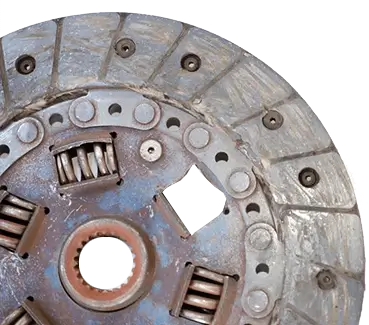
Notice the missing spring on the clutch disc
when pressing the clutch pedal are another symptom of a bad clutch. A common cause is a failing throwout bearing (release bearing). When the bearing wears out, it may produce a squealing or grinding noise whenever the clutch pedal is pressed.
This doesn’t always mean the clutch disc itself is worn out, but because the transmission must be removed to access the bearing, most technicians recommend replacing the clutch at the same time.
Poor Acceleration and Loss of Power — A bad clutch can also make the vehicle feel sluggish. Because a slipping clutch prevents full power transfer from the engine to the transmission, acceleration becomes weaker and less predictable. Drivers sometimes describe this as the car “revving but not going anywhere.
Hot Spots and Discoloration on the Flywheel — Excessive clutch slipping can overheat the flywheel, creating heat spots or discoloration
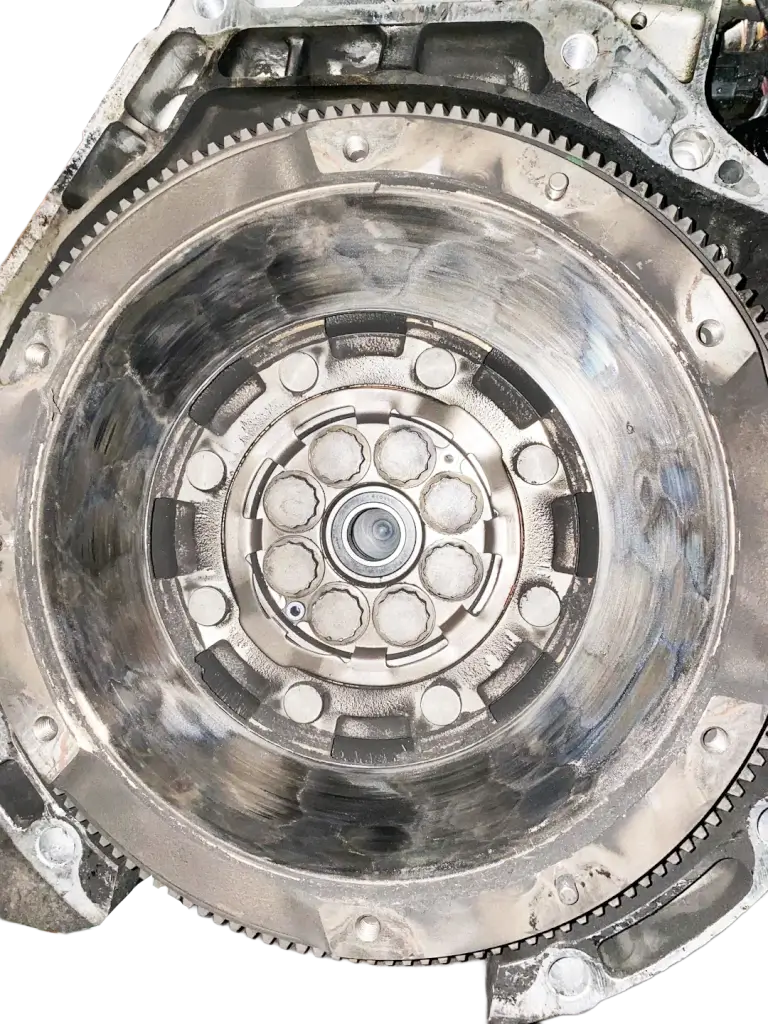
The blue spots on the flywheel indicate overheating, causing clutch chatter
on the metal surface. These hot spots create uneven friction surfaces that cause:
Clutch chatter
Slipping
Uneven clutch engagement
How Long a Clutch Typically Lasts
The lifespan of a clutch varies depending on driving habits. A properly driven clutch can last anywhere from 80,000 to 150,000 miles. However, riding the clutch, aggressive driving, towing, or performance driving can significantly shorten its lifespan.
If you begin noticing symptoms of a bad clutch, such as a slipping clutch or shifting problems, it’s wise to start planning when to replace a clutch before it causes additional drivetrain damage.
Final Thoughts on Diagnosing a Bad Clutch
A bad clutch doesn’t usually fail instantly. Most drivers receive several warning signs first.
Common symptoms include:
• Slipping clutch during acceleration
• Burning clutch smell
• High clutch engagement point
• Difficulty shifting gears
• Unusual noises from the clutch assembly
If you notice these symptoms, chances are you’re dealing with a worn-out clutch.
Knowing when to replace a clutch early can save you money, protect your flywheel, and prevent getting stranded on the road.
Posted on by Rick Muscoplat