
Transmission Slipping: Causes, Symptoms, and Possible Fixes
Common Causes of Transmission Slipping
Quick Summary
Transmission slipping is one of the most common early warning signs of major transmission failure, and ignoring it can lead to expensive repairs or total transmission failure. When transmission slipping occurs, the engine revs higher than normal, but the vehicle fails to accelerate properly. In many cases, the cause can be something relatively simple, such as low transmission fluid or a faulty pressure solenoid.
Article
DIY Steps to Address Transmission Slipping
From my experience diagnosing drivability problems, the most common causes of transmission slipping include low fluid levels, overheating, worn internal clutches, valve body issues, or electronic control problems. The good news is that a DIYer can check a few things without digging deep into the transmission, such as checking the transmission fluid level and condition, replacing the transmission fluid and filter, repairing leaks, or replacing a faulty sensor or solenoid.
However, if transmission slipping continues after these basic repairs, it usually indicates internal wear that requires professional rebuilding or replacement.
What Transmission Slipping Feels Like
One of the first things drivers notice when transmission slipping occurs is that the engine revs up, but the vehicle doesn’t accelerate as it should. It feels similar to a clutch slipping in a manual transmission.
Typical symptoms include:
• Engine revving higher than normal during acceleration
• Delayed engagement when shifting into Drive or Reverse
• Hesitation during gear changes
• Sudden loss of power while driving
• Burning smell from overheated transmission fluid
In severe cases of transmission slipping, the vehicle may struggle to move at all, especially under load or when climbing hills.
How an Automatic Transmission Works
To understand why transmission slipping
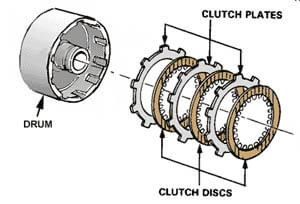
A transmission clutch pack includes a clutch drum, clutch friction discs, clutch plates (often called “steels:) and a piston and lip seal
happens, it helps to understand how the transmission actually transfers power.
Inside an automatic transmission are multiple clutch packs and bands. These components are applied hydraulically using high-pressure transmission fluid. When a gear change occurs, the transmission control module commands solenoids that direct fluid pressure to specific clutch packs.
The high pressure forces the clutch discs against the steel clutch plates, locking them together and causing the drum to rotate, thereby rotating the planetary gearset and creating different gear ratios.
When transmission slipping occurs, those clutches are not applying properly. This can happen for several reasons:
• Worn or damaged rubber lip seal that fails to hold pressure in the clutch pack
• Insufficient hydraulic pressure
• Worn clutch friction material
• Contaminated or worn-out transmission fluid
• Faulty electronic controls
When the clutches can’t lock to the steel clutch plates, they slip, preventing the full transfer of power.
The Most Common Causes of Transmission Slipping
1) Low Transmission Fluid — The single most common cause of transmission slipping is low transmission fluid. Transmission fluid serves several critical functions:
• Hydraulic pressure generation
• Lubrication of internal parts
• Cooling of the transmission
• Clutch engagement
• Friction modifiers that allow all clutch discs to slip during low-pressure periods, but grab and lock when high pressure is applied
If the fluid level drops too low, the pump can’t generate enough pressure to properly apply the clutch packs. That leads directly to transmission slipping.
Common causes of low fluid include:
• Transmission pan gasket leaks
• Cooler line leaks
• Axle seal leaks
• Torque converter seal leaks
A simple fluid check can often identify this problem.
1) Old or Burnt Transmission Fluid — Transmission fluid gradually breaks down due to heat and oxidation, and the friction modifiers deteriorate. Over time, it becomes darker and loses its ability to maintain proper 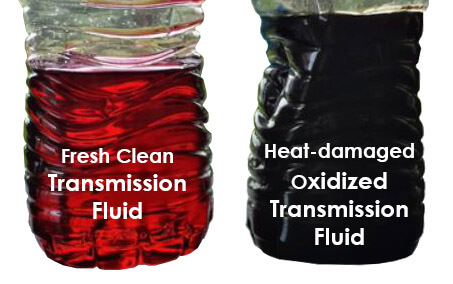 hydraulic pressure. Burnt fluid is another major cause of transmission slipping.
Healthy transmission fluid should be:
• Bright red or pink
• Slightly sweet-smelling
• Clean and free of debris
If the fluid appears dark brown or smells burnt, it may no longer provide adequate clutch friction or hydraulic pressure.
Worn Clutch Discs
If a vehicle has high mileage or has been driven with low fluid levels, worn-out fluid, or overheated transmission fluid, the friction material on the clutch packs may wear down. Once those friction surfaces wear out, transmission slipping becomes unavoidable because the clutches can no longer hold. Unfortunately, worn clutch packs require a transmission rebuild.

New and worn automatic transmission clutch discs and clutch plates
Faulty Shift Solenoids
Modern transmissions rely heavily on  electronically controlled solenoids to direct fluid pressure. If a shift solenoid sticks or fails, it can prevent the clutch from engaging properly. That leads directly to transmission slipping or delayed shifts.
Common symptoms include:
• Erratic shifting
• Delayed engagement
• Transmission warning lights
• Diagnostic trouble codes
Fortunately, solenoids can often be replaced without removing the transmission.
Valve Body Problems
The valve body is the hydraulic control center of the transmission. Inside the valve body are precision passages and valves that control fluid flow. If those valves stick due to contamination or wear, hydraulic pressure may drop. That pressure loss frequently causes transmission slipping during gear changes. Valve body repairs are sometimes possible without removing the entire transmission.
The image below shows a valve body on a Subaru CVT transmission. Until the 2018 model year, these valve bodies were known for solenoid failures that could only be fixed by replacing the valve body. The bright side is that any DIYer could replace the valve body under the hood by removing the cover, unbolting the old unit, and installing an updated model.

What a DIYer Can Do to Fix Transmission Slipping
In many cases, a DIY mechanic can take several steps to diagnose and possibly fix transmission slipping.
Step 1: Check the Transmission Fluid — Follow the instructions in the shop manual to check the fluid level and top off if needed.
Step 2: Repair Fluid Leaks — If the fluid level was low, you must find the leak. Repairing leaks prevents the fluid level from dropping again and causing transmission slipping. Common leak locations include:
• Transmission pan gasket
• Cooler lines
• Axle seals
• Input shaft seal
Step 3: Replace the Transmission Fluid and Filter at the recommended intervals — Many automatic transmissions contain a serviceable filter. A clogged filter restricts fluid flow to the pump, leading to pressure loss and transmission slipping. Replacing the filter during a fluid service is often an easy DIY repair.
Step 4: Scan for Trouble Codes — Modern transmissions are electronically controlled. Electronic problems can sometimes cause transmission slipping even when the transmission itself is mechanically healthy. Using an OBD-II scan tool, check for transmission codes that may indicate:
• Faulty shift solenoids
• Pressure control solenoid failure
• Sensor issues
Step 5: Install an Auxiliary Transmission Cooler — Heat is the number one killer of automatic transmissions. If you haul heavy loads, drive in mountainous conditions, or drive in stop-and-go traffic, the transmission can run hot. Adding an auxiliary cooler can dramatically extend transmission life and prevent overheating-related slipping.
When Transmission Slipping Means Major Repairs
Unfortunately, not all cases of transmission slipping are easy to fix.
If your vehicle continues slipping after:
• Fluid replacement
• Filter replacement
• Leak repair
• Solenoid testing
Then the problem is likely internal wear, and the only reliable fix is a transmission rebuild. Continuing to drive with the transmission slipping will only accelerate internal damage.
Final Thoughts from a Diagnostic Perspective
In my experience diagnosing drivability problems, transmission slipping is a warning sign that should never be ignored. The sooner the problem is addressed, the greater the chance that a simple repair—such as fluid service or solenoid replacement—can resolve the issue.
For a DIYer, the best approach is always to start with the fundamentals: check fluid level, inspect fluid condition, repair leaks, and scan for diagnostic trouble codes. Those simple steps can often prevent transmission slipping from turning into a multi-thousand-dollar transmission rebuild.
©, 2026 Rick Muscoplat
Posted on by Rick Muscoplat